Doing Disability Futures welcomes you to We Build Other Worlds, an exhibition that centres and showcases the voices, art, imagination, and living experiences of queer and trans disabled people of colour and migrants.
ABOUT
This exhibition grew from creative practice workshops we ran in 2025 (in London and online with participants based across the UK) that asked the questions, ‘What would a world grounded in disability justice look like, and how might we get there while keeping each other safe?'
We worked closely with 14 participants across online and on-site workshops over three months. Participants who took part in these workshops identified not only as disabled, but also as:
Queer, Lesbian, Bisexual, Pansexual;
Latinx, Black British Caribbean, Indian, Bengali, Asian, Black African, Brown, Turkish Cypriot, African, Arab and Kashmiri;
and were aged 18 – 69.
Here we share the stories, reflections and created artwork from workshop participants. Each piece contains multitudes and speaks to hope and violence. We ask that you view this material with care, to sit with the uncomfortable, and recognise the power of these creations and gifts.
We ask that you take whatever time you need.
We ask that you be present as much as is possible.
And if you have capacity, we ask that your imagination knows no bounds.
Part 1: Disability Now
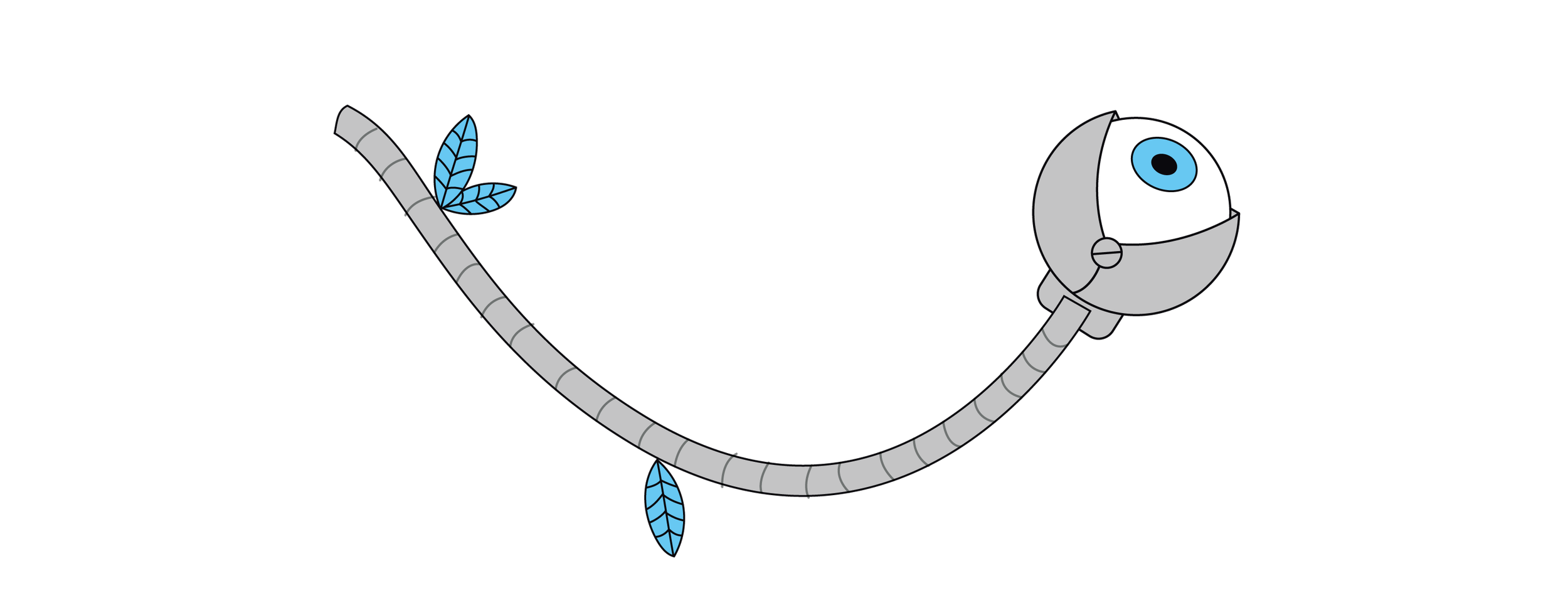
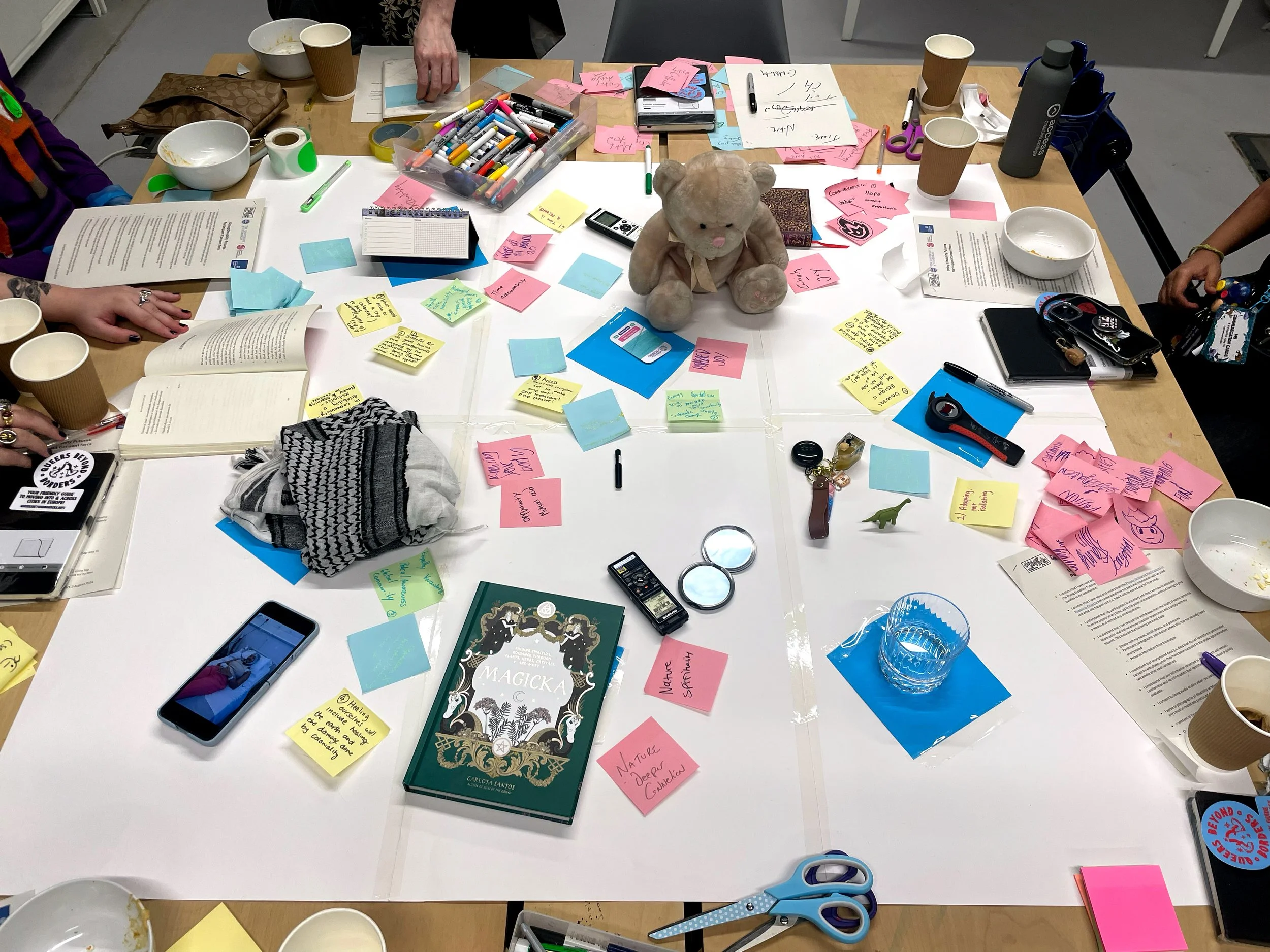
Doing Disability Futures brought participants together for three workshops, where each person was asked to bring two artefacts to help to express their experiences and thoughts.
The first artefact was to represent experiences of disability now – existing and resisting in a world not designed for us. The second, to connect, hold, imagine, and inspire disability futures: worlds grounded in community, magic, and joy.
Using the artefacts, participants shared stories to find connections and interactions held across time and space. Battles and fights. Stories grounded in the histories of oppression faced by queer and trans disabled people of colour and migrants. Struggles that spread across geographies, connected to ecocide, genocide, Palestine, Sudan, and Congo, were intertwined with design justice, bodily autonomy, resistance from the margins, and imagined and liberatory futures.
As a collective, workshop participants discussed how their struggles were shared and how they were not alone in the fight for liberation. Echoing so many disability justice activists, they held onto the notion that ‘none of us is free until we are all free’.
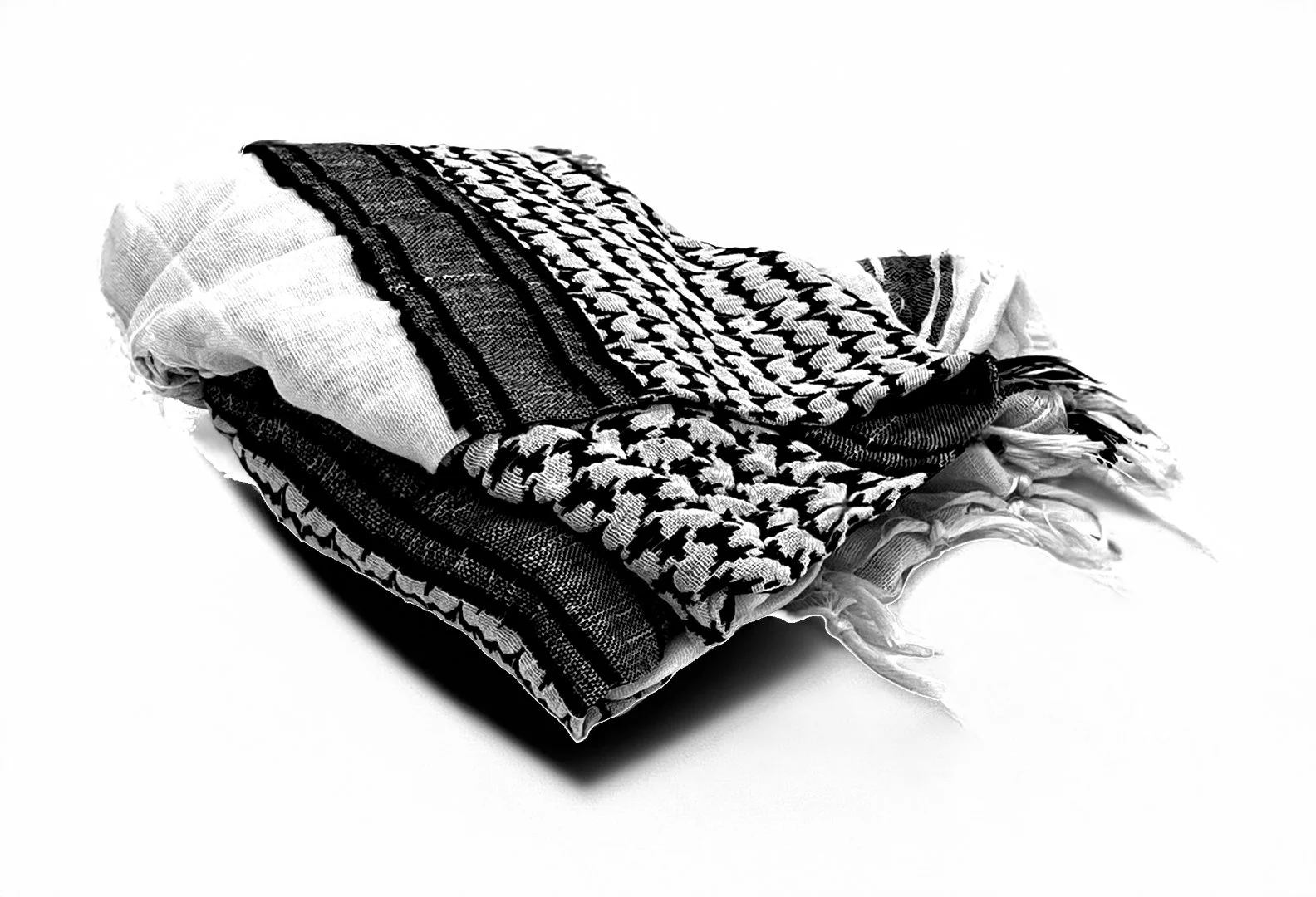
“So I got my keffiyeh...it's not necessarily the future I want, though I do want to see definitely more international solidarity with disability, especially as we're seeing so much conflict, for example, in Palestine has disabled so much of the population. But I think Palestine has really shown us how much, even though you had the International Criminal Court issue [its decision on] Israel, that's not really done as much as the communities have done for themselves. And I think it's been a really beautiful show of how Palestinian people are just really looking after each other.”
— SAMI
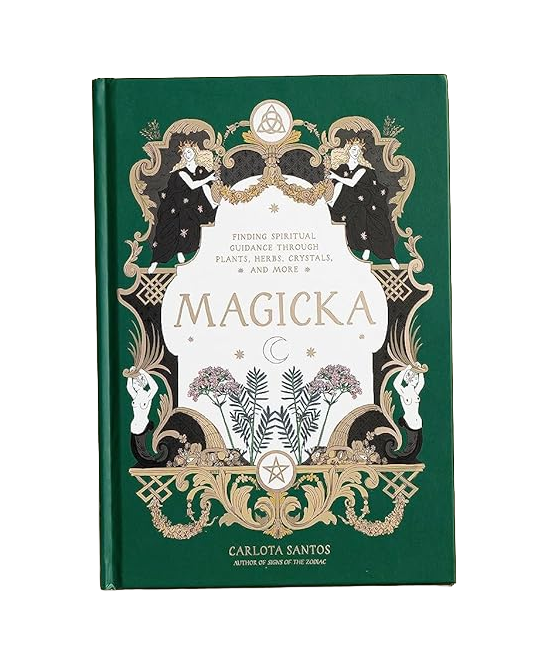
“I guess, [its] about practicing witchcraft, so finding spiritual guidance through plants, crystals and more, and it talks about other things, like taro crystal walls. I guess the point of this book is how to draw a deeper connection with nature. And I feel capitalism really disrupts that, and nature can be a very healing thing.”
— MAR
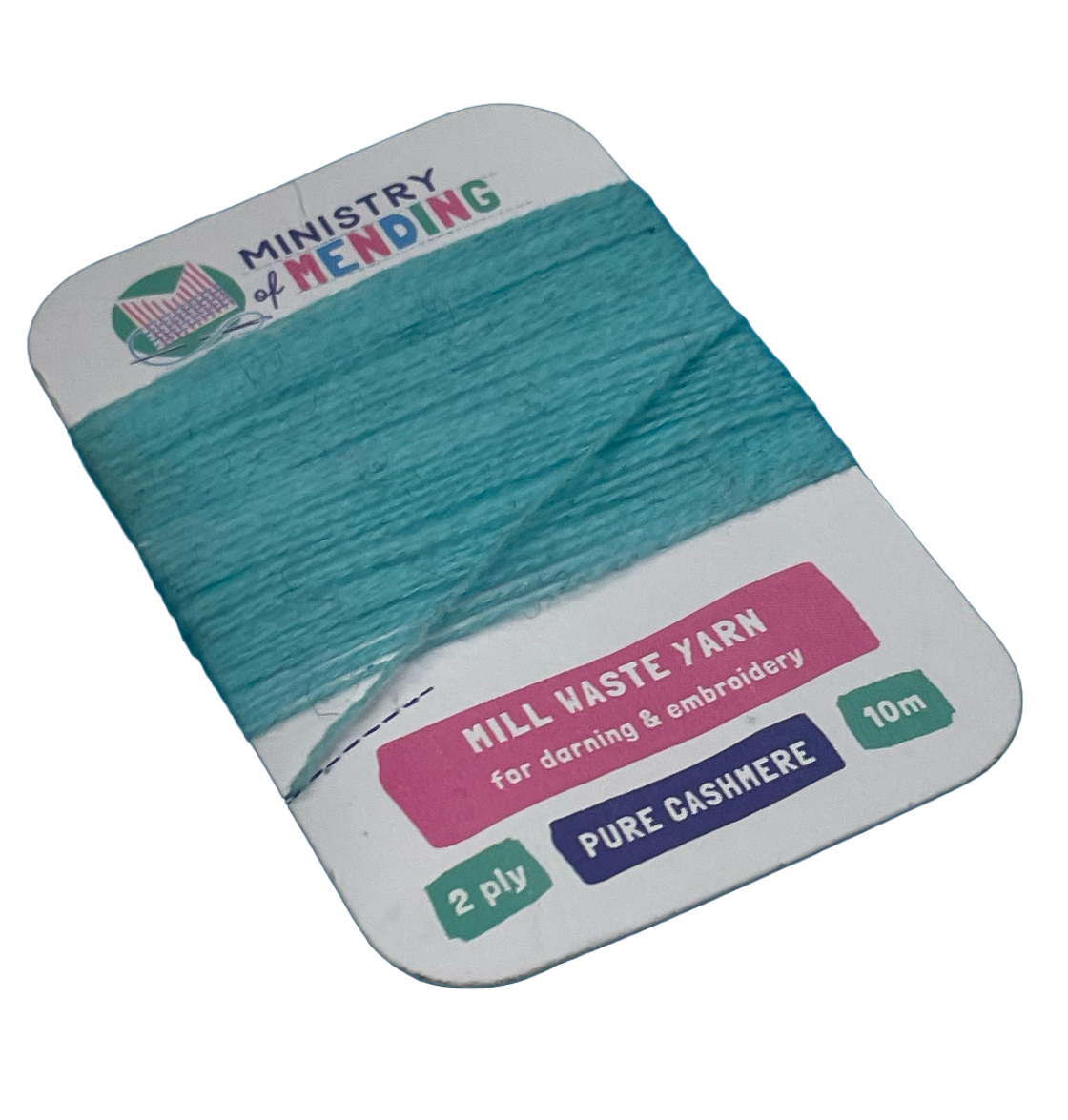
“So the item I brought in is actually the clothes that I'm wearing today. But...I can put something on... this thread, and it's just a commentary on, I guess, in an ideal world, it ties in so intimately with the concept of time and how being queer and being disabled and being a place that is not your home being a migrant...we just have so little time, so much less time than everyone else, and our time is to be used in ways that are more often than not, taking care of ourselves and taking care of yourself.... In an ideal world, I'd be able to do the things that I love most. I'm a tailor, I'm a designer, I'm a seamstress...I can sew this dress myself. I create things, and I like mending things, which is why this is also important. It's mending... those things. We're just not really in a world that, even for a neurotypical, normal person who is not disabled and white, has no time to do these things. So how the fuck do I find the time to do that?... So, yeah, I bring the things that I've made for myself in the very little time that I've done to do so, because in a world that is ideal for us, I think we deserve more time to be doing the things that we love and things that help us mentally. And so to demonstrate the mending that we're doing of the things that we love, it's important.
— IRIRANGL
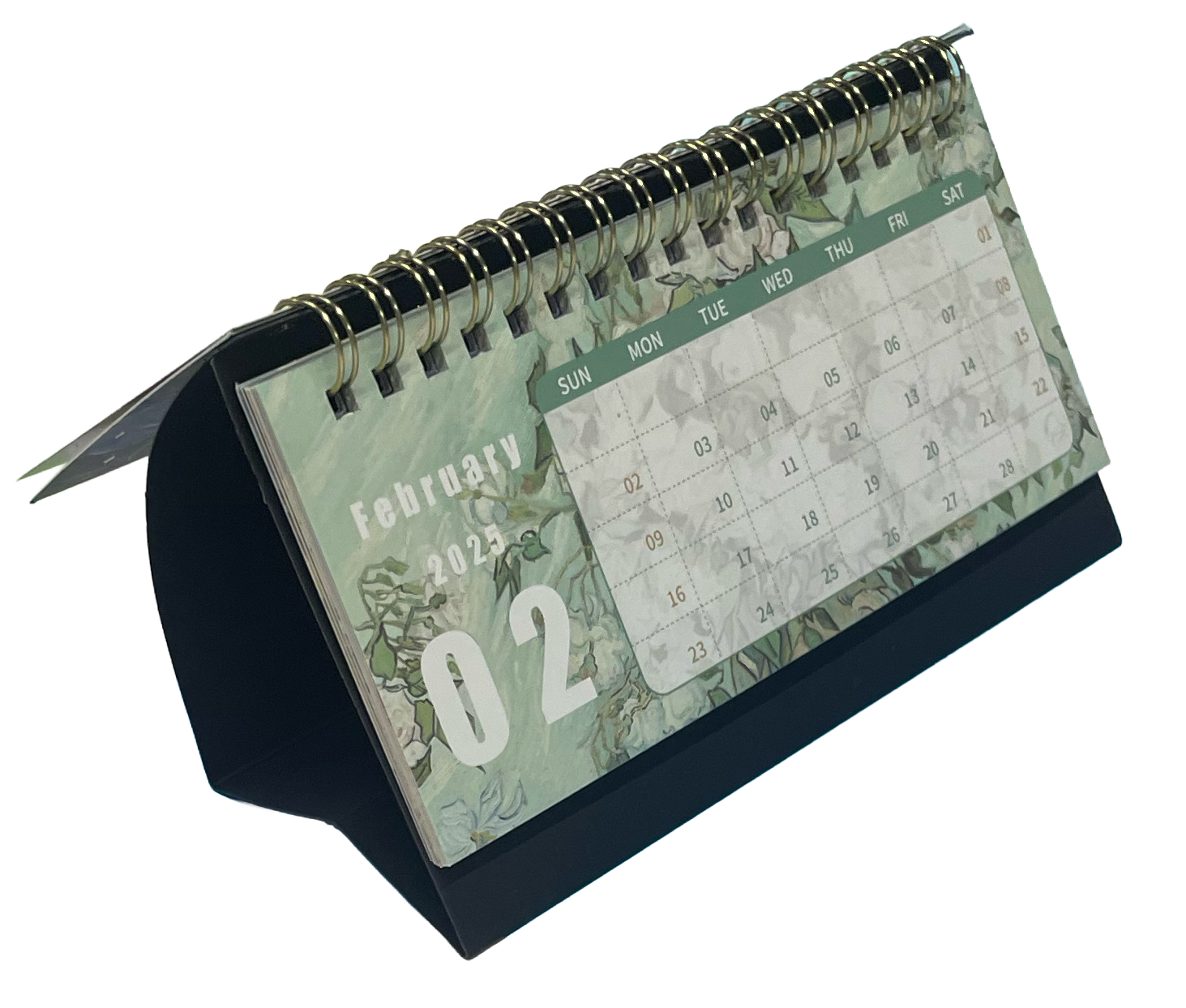
“So, first, of things to do with this [calendar] is that I'm just thinking, how to get a diagnosis... to have some deadlines, some sort of accountability professionals. Which means that they are the ones looking at the calendar and not us being like, oh, okay, it's been, like, how many months now since this one symptom has just been there? ...The other reason I bought a calendar because right now things that are disabling me that we get so much lesser time than like everyone else, which not everyone always understands. So just I would like us to be able to have more time.”
— SHASHI
“So I basically created a POV sound thing of what, how my condition, disability affects me in everyday life, and it's basically as if you guys were inside of my brain, and that's what I created.... last year I started developing tinnitus, and I've been having which I didn't know was tinnitus, because I just thought that I was hearing TV static or like bugs in my ears, as what I used to call them, and then my partner eventually told me I think what you're having is tinnitus, and you should get it checked. So ... I'm gonna get it checked. Because, I mean, I've been having weird, hearing. So, yeah, it's very emotional for me, because obviously the processing aspect is one thing, but then, feeling that you're losing your hearing is totally different thing as well. And before, with the sensory overload for me, a sense of peace, and I don't know basically recharging was going into my room and having quiet time. So no lights, no stimulation at all. But now that I've developed this, which I don't know sometimes it's even the stress, or stress, you know, or being just emotional, triggers it, that doesn't even allow me to have peace in a quiet environment. So that's why the ending is... you have, the full week, which is bombarding yourself, like, with sounds going into the world and everything. So basically, when I wake up, you hear the birds, you hear the train ... Then, obviously, because I speak three languages, then I have just my thoughts, you know, basically, you know, circling the whole the two people talking, going to work, etc, and coming back and sort of having all of those sensations being just too overwhelming. And then on top of that, obviously now, the whole hearing situation as well. So I just wanted to encompass the POV of how that it's, affecting me in everyday life, and what disability, in that sense, means to me, and then it's disabling because I don't really feel like socializing or being exposed to anything, and not even like having the time to watch a show...so that's why I created that. ”
— AMDIS
Part 2: Creating Futures
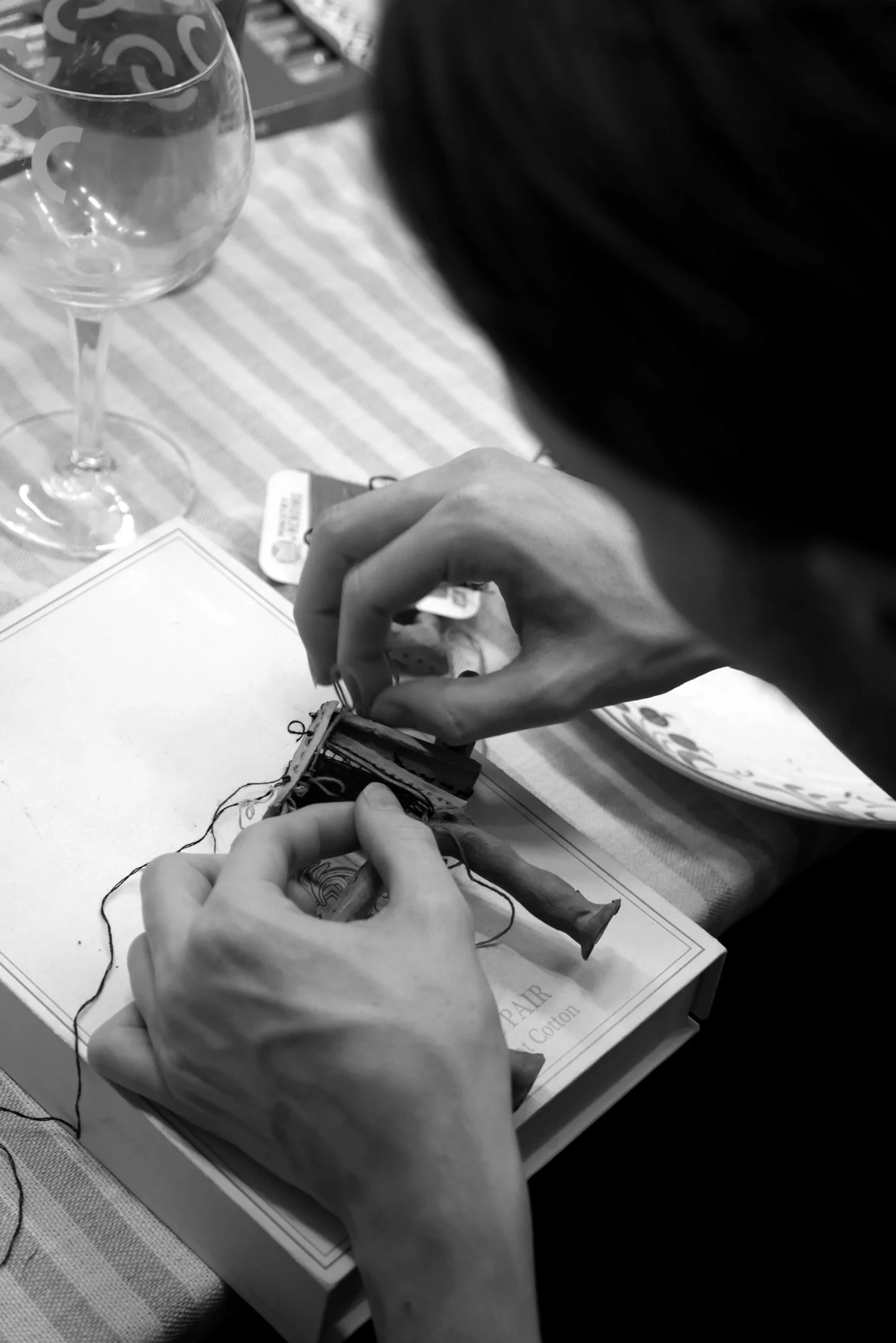
Each workshop became a world where shared stories became imaginings of futures grounded in, and held by, queer crip care.
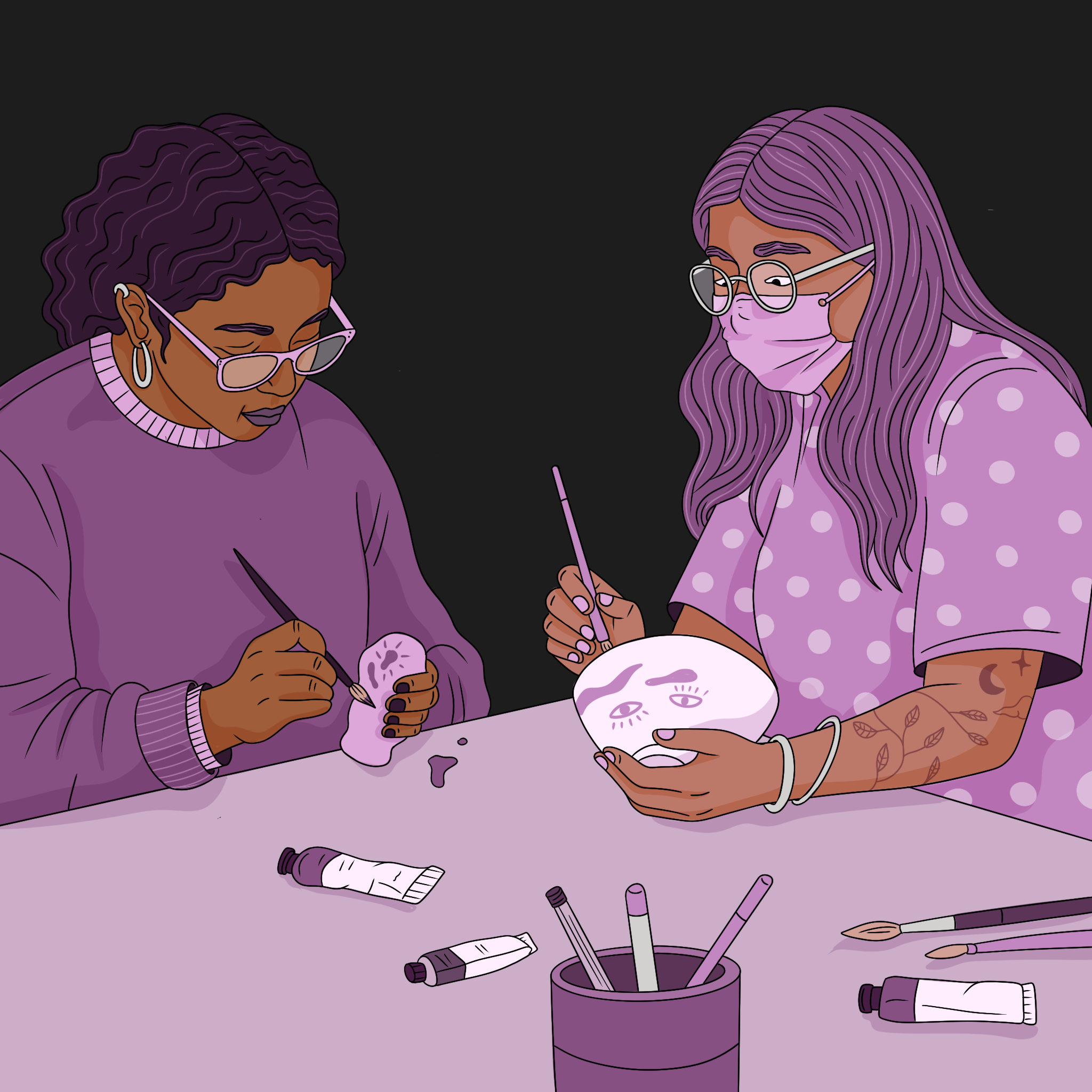
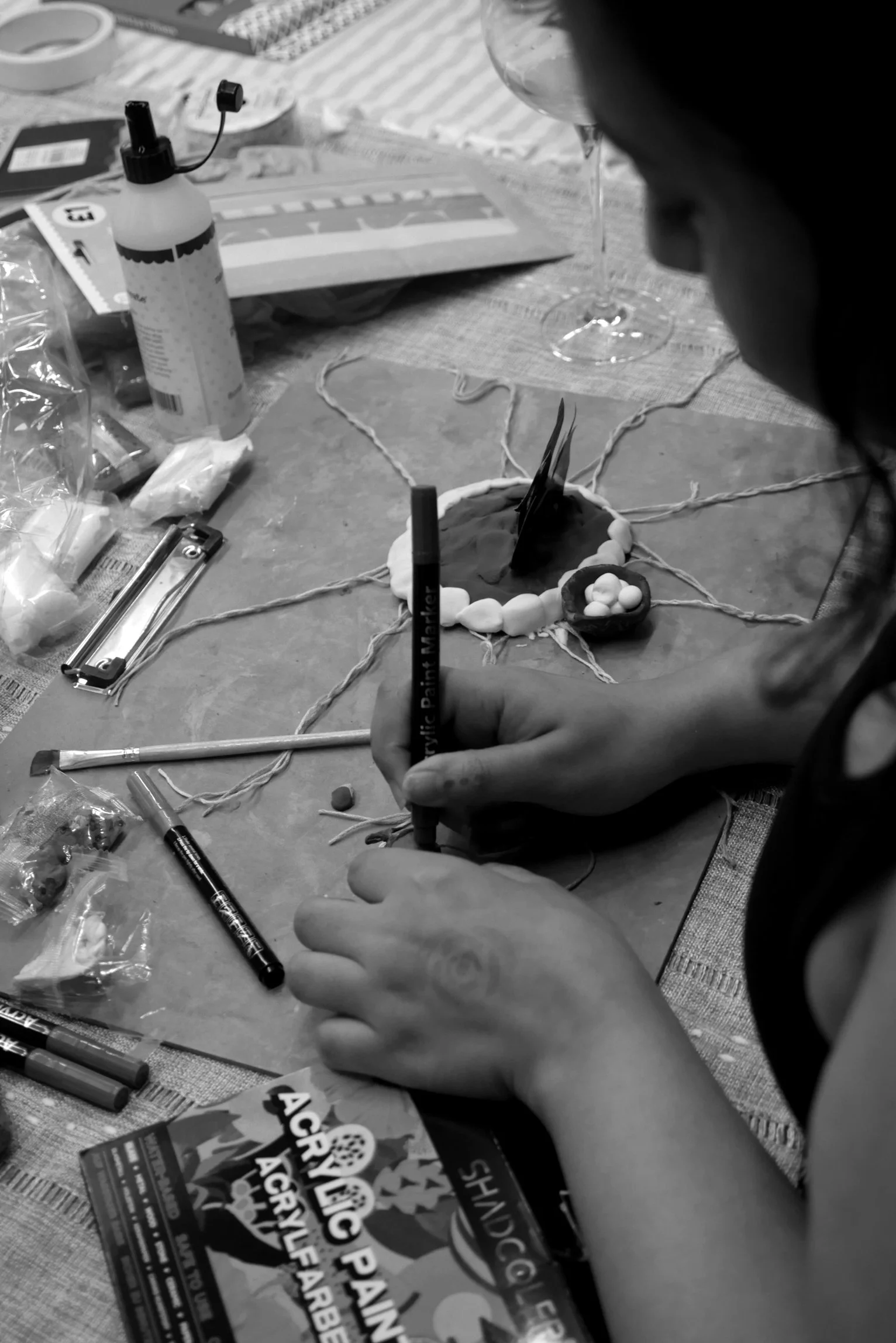
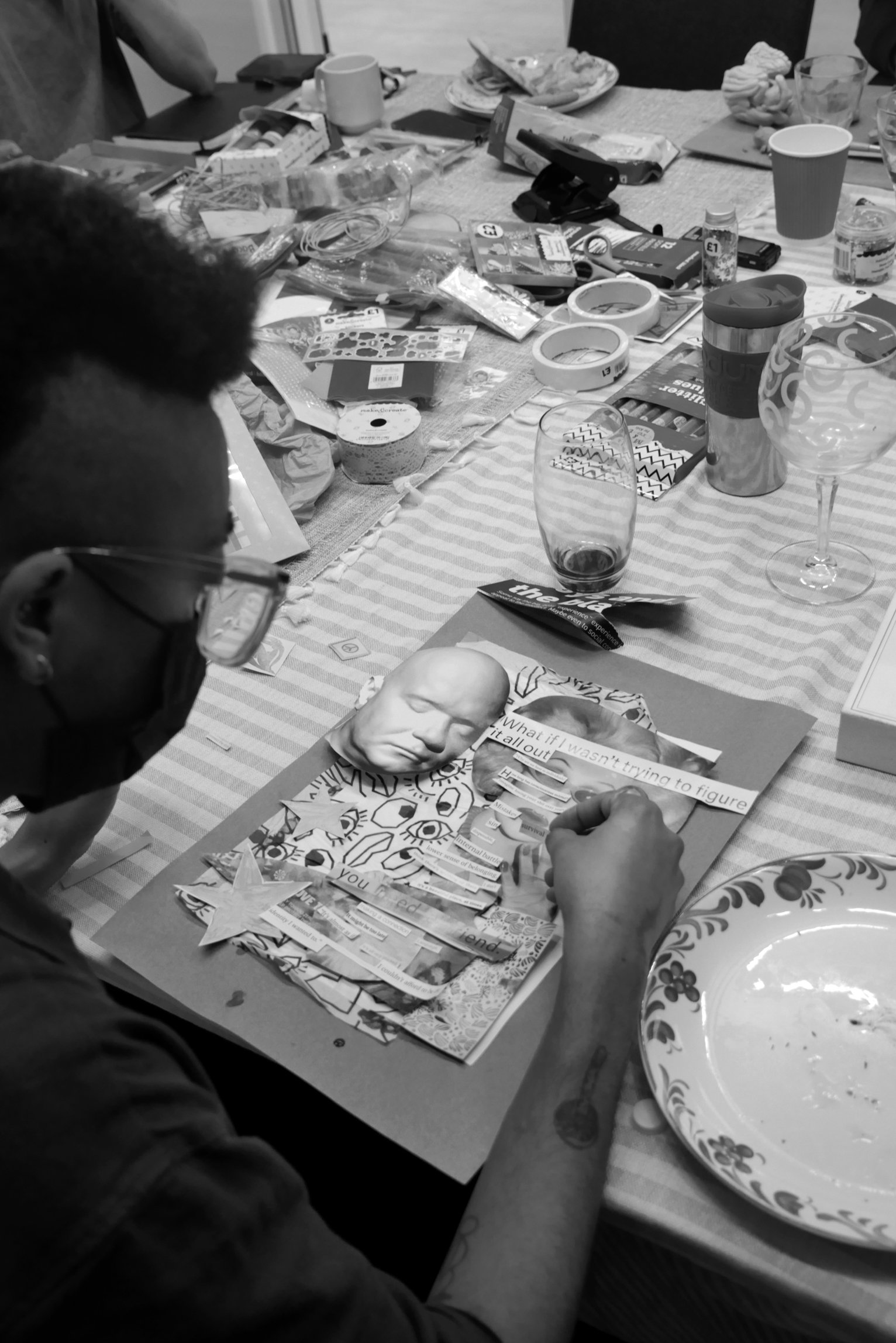
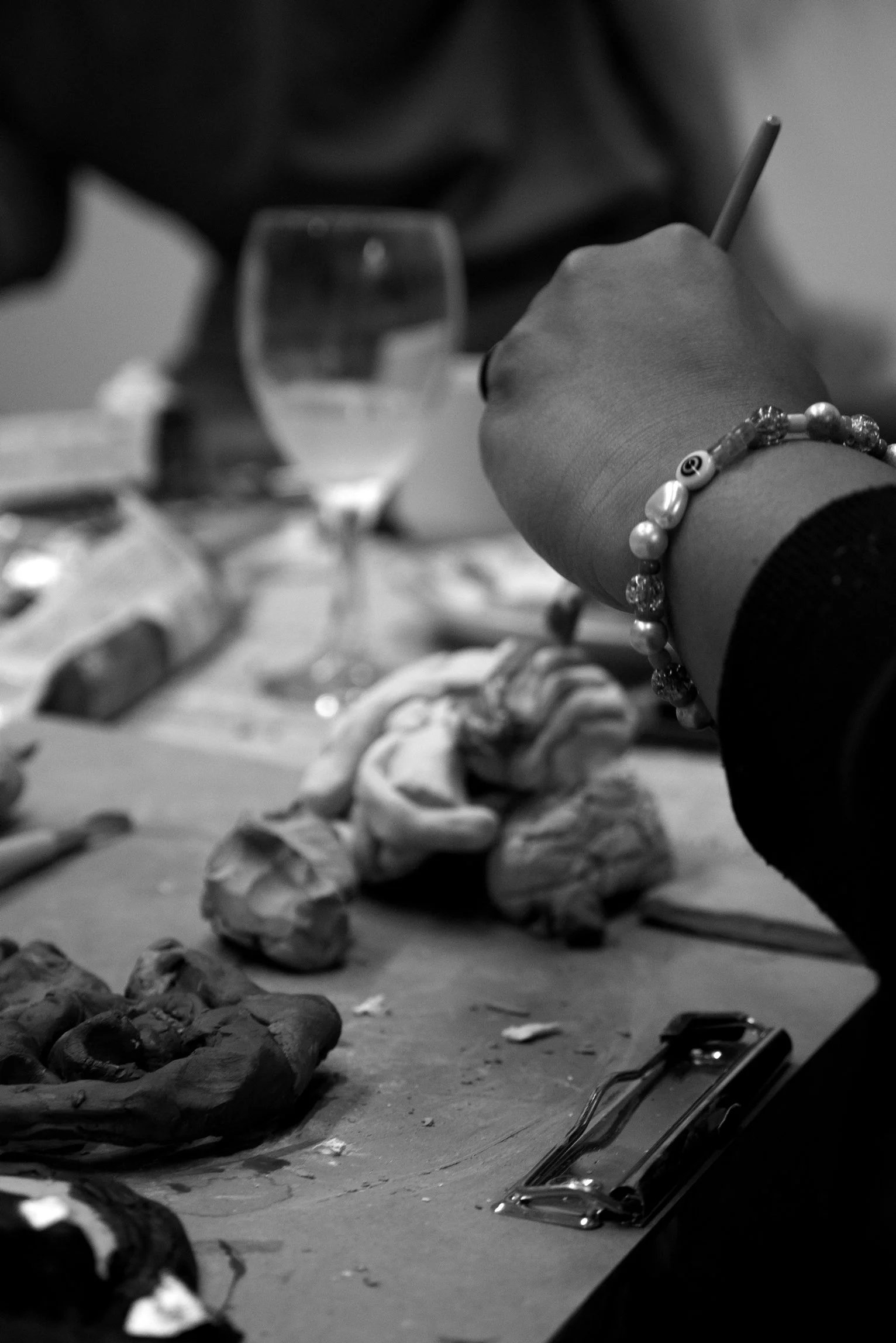
To bring these futures to life, participants used art, in all its mediums. Colour, sound, touch, paint, clay, voice, and textures collected from the natural world were brought to be used in any and all ways to build gorgeous tomorrows.
As participants created art and crafted futures, they conspired ways to collectively push for change that was sustainable, anti-carceral, and committed to collective access.
Part 3: Imagined Disability Futures
Across the workshops, participants told stories of imagined futures through and with their art. We share glimmers of these stories of imagined crip futures through four themes.
Nature
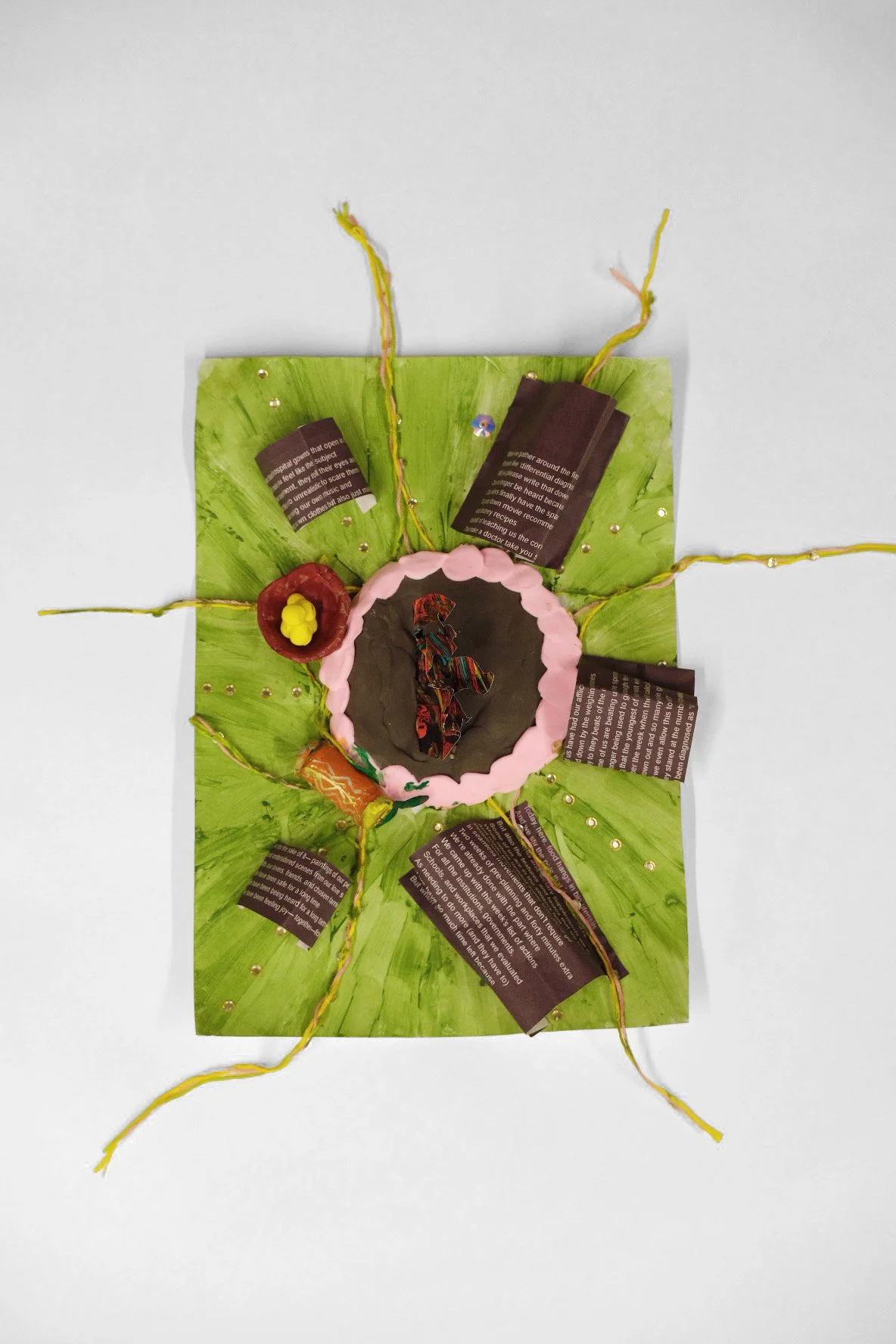
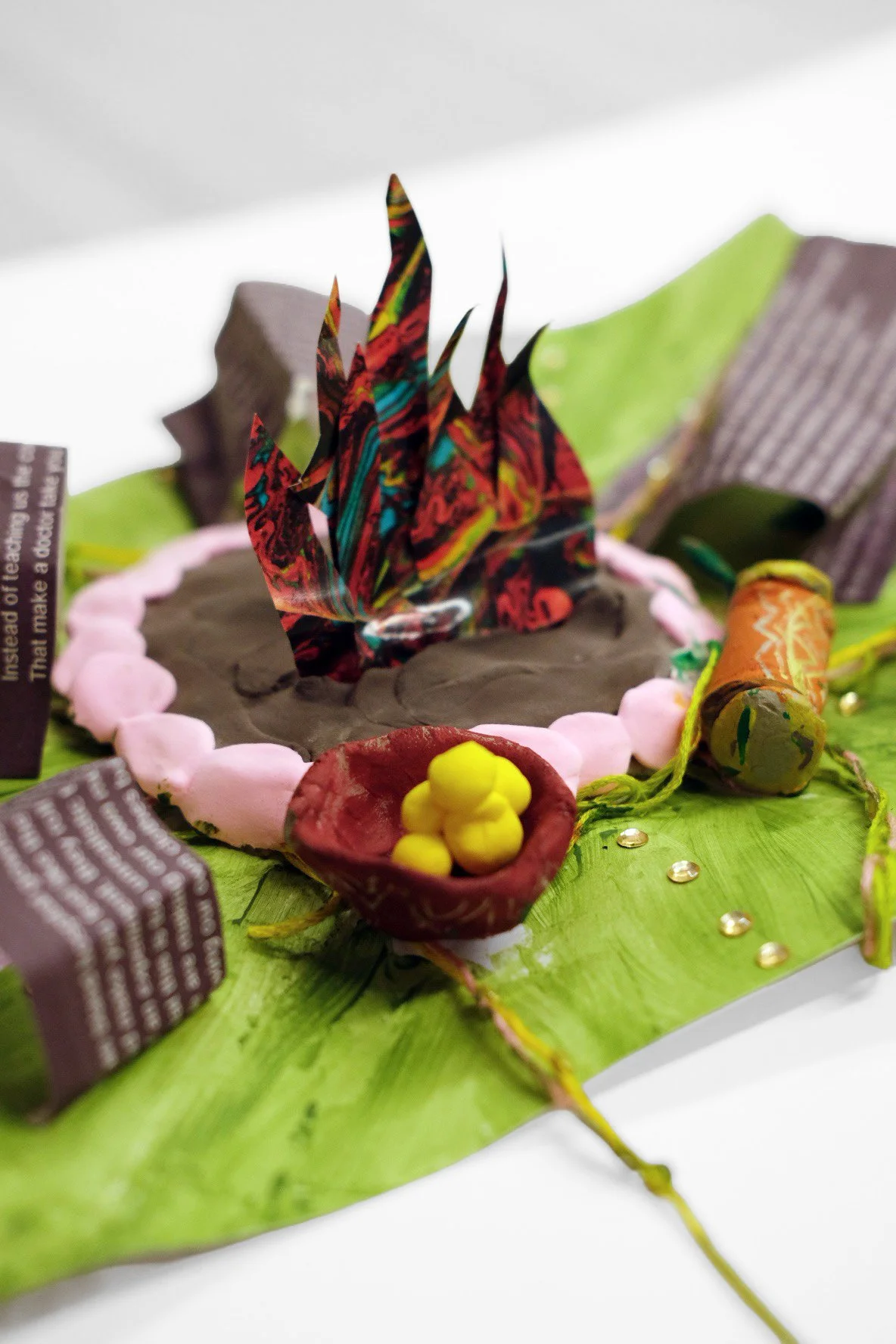
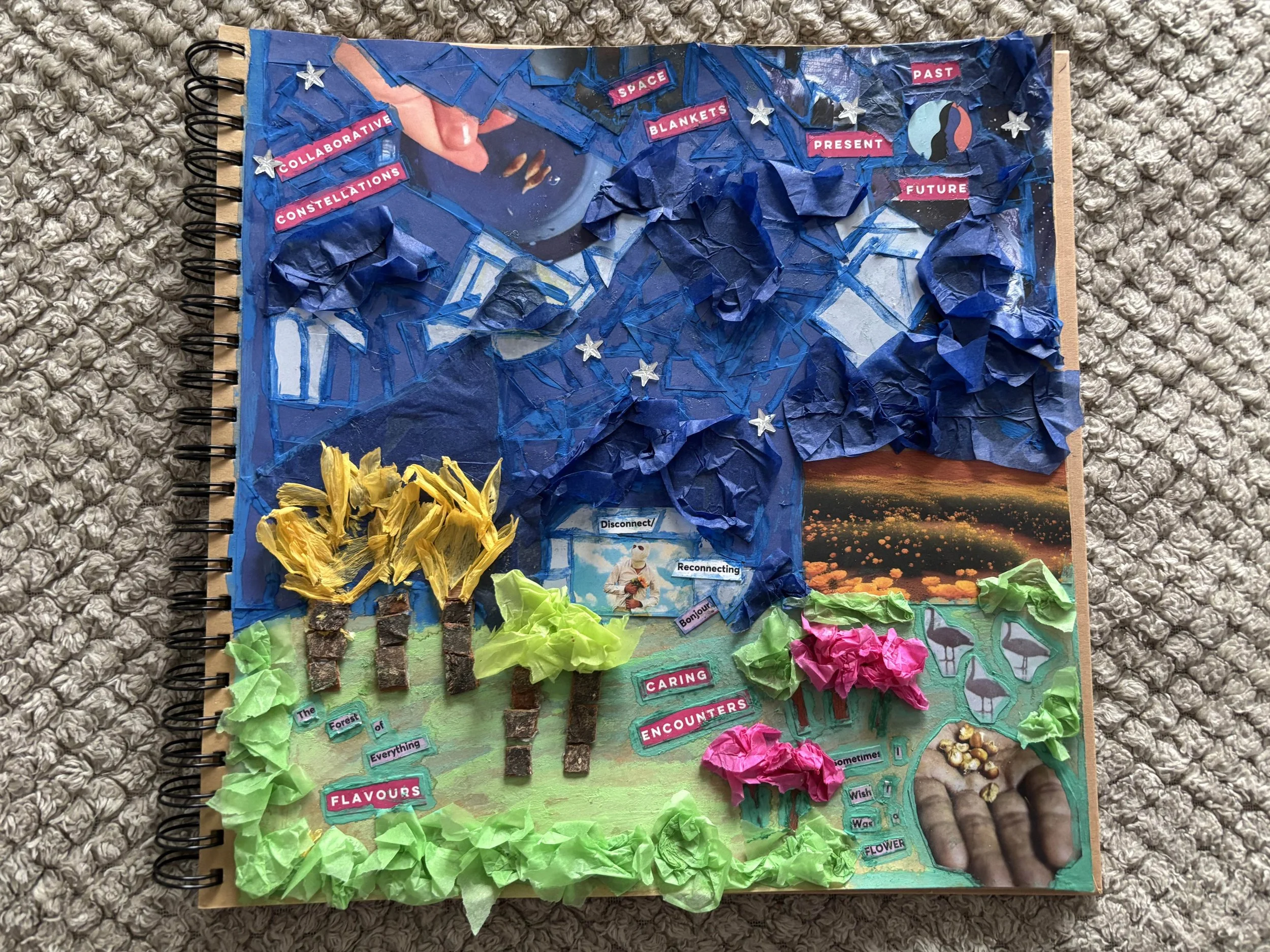
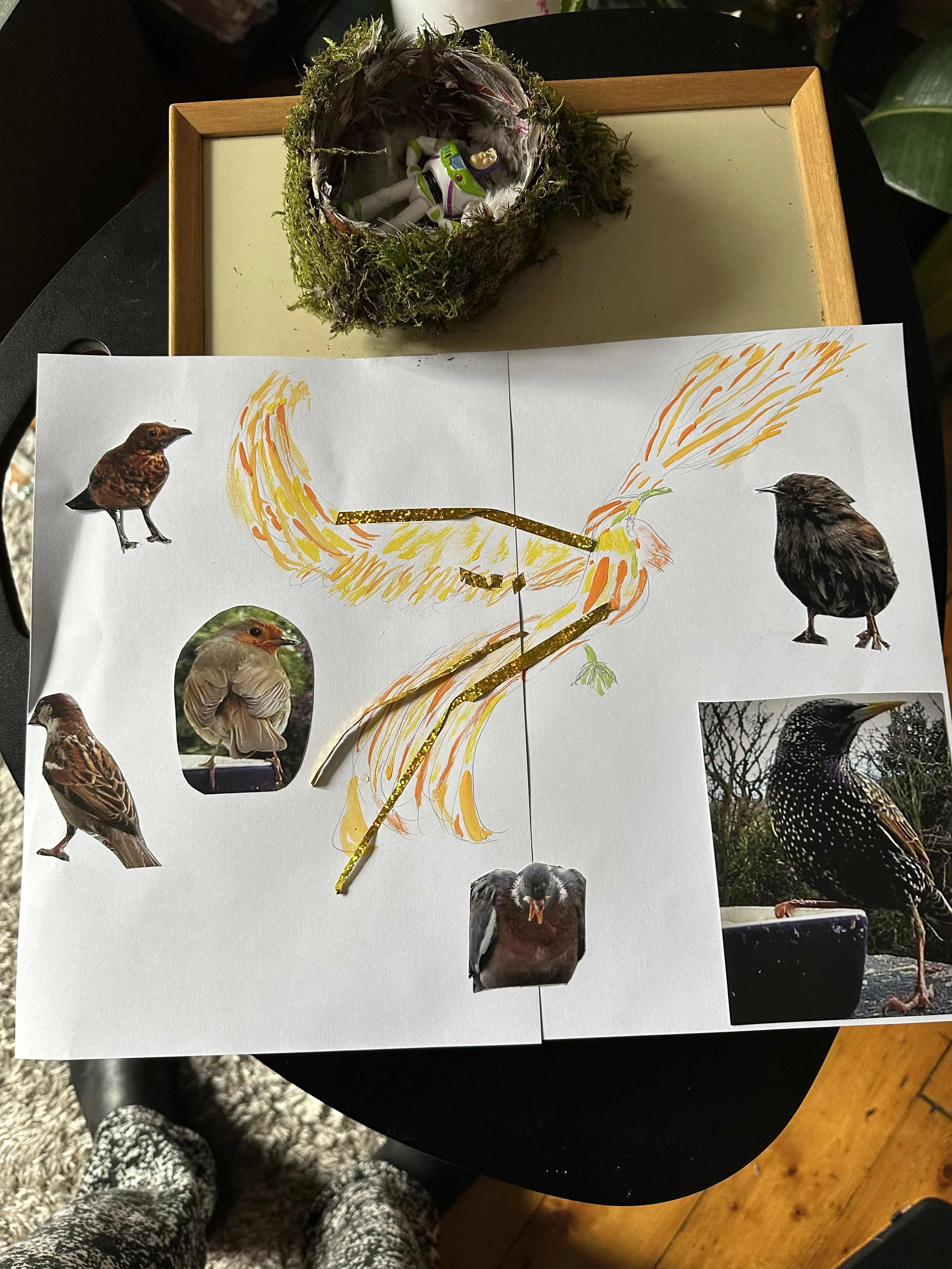
Participants described how their art was soaked in magic, connected to the sacred natural world, and energised by ancestors and the power of those yet to come. They drew on the biosphere, all living creatures, non-human entities, and fauna for inspirations and connections in their art.
Our community
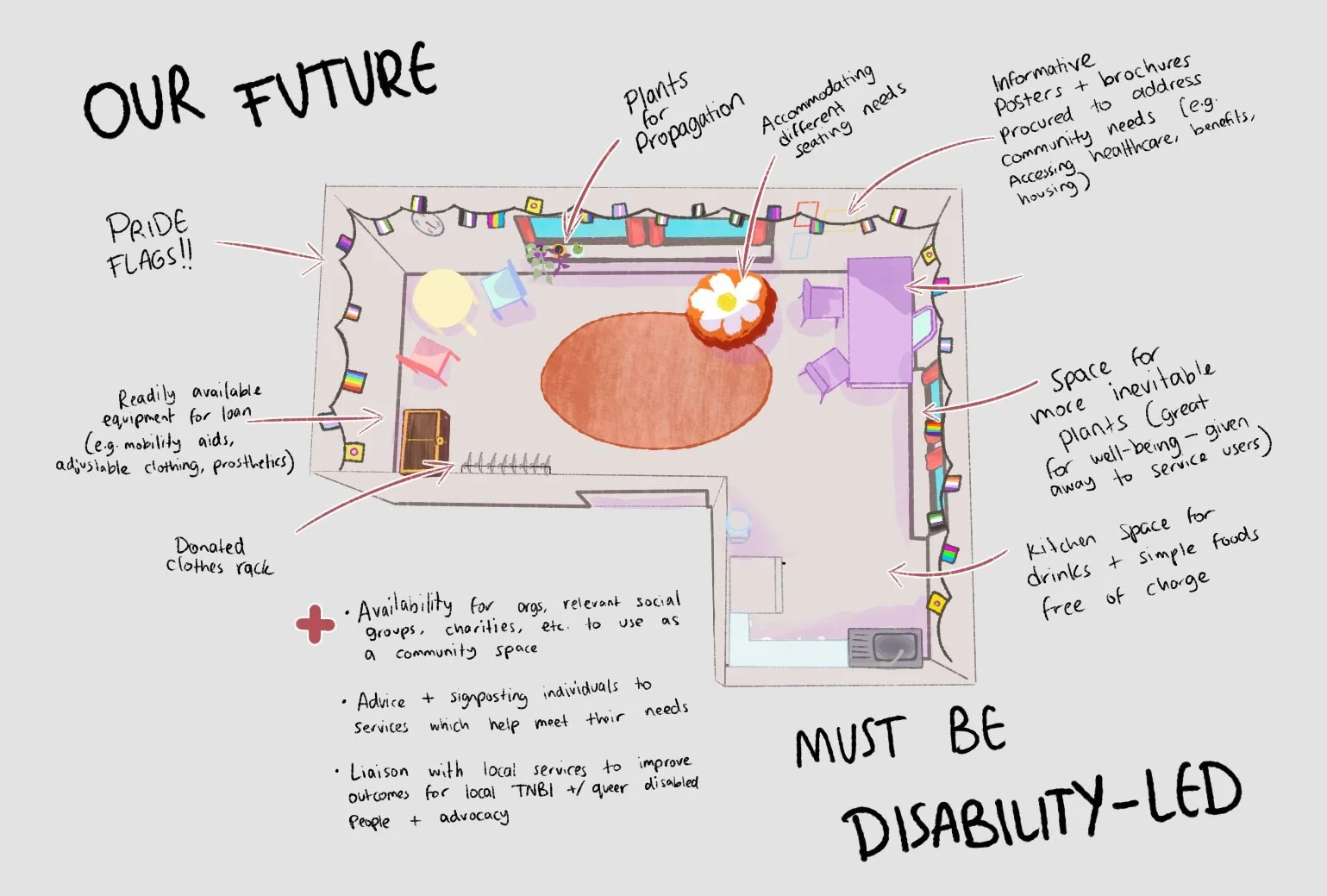
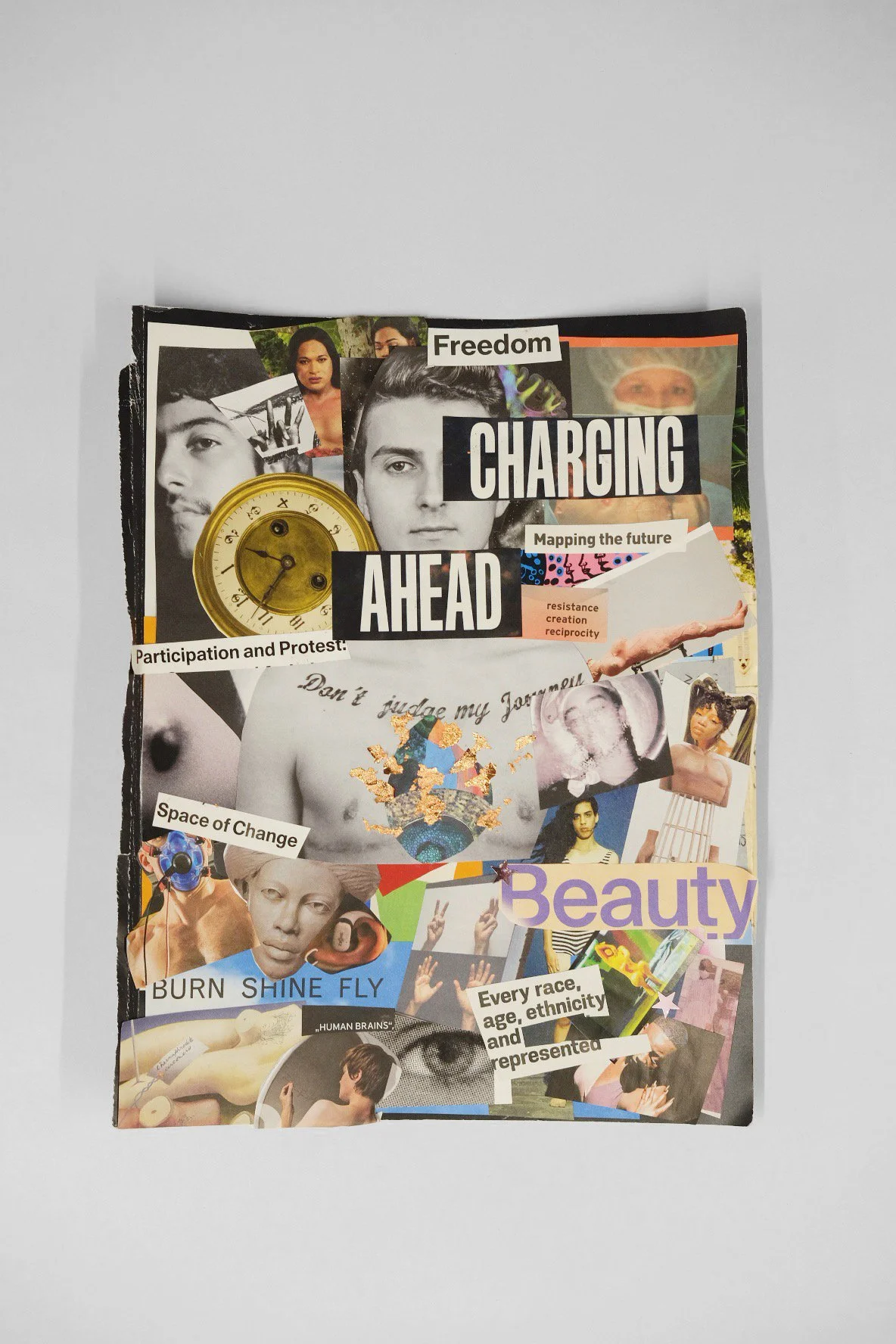
Participants drew inspiration from their communities, particularly queer and trans disabled communities of colour that have, and will continue to, nourish and sustain them. They described imagining and creating futures through art where they can better connect, support, and care for one another, as well as crafting spaces and enclaves for mischief-making and disruption.
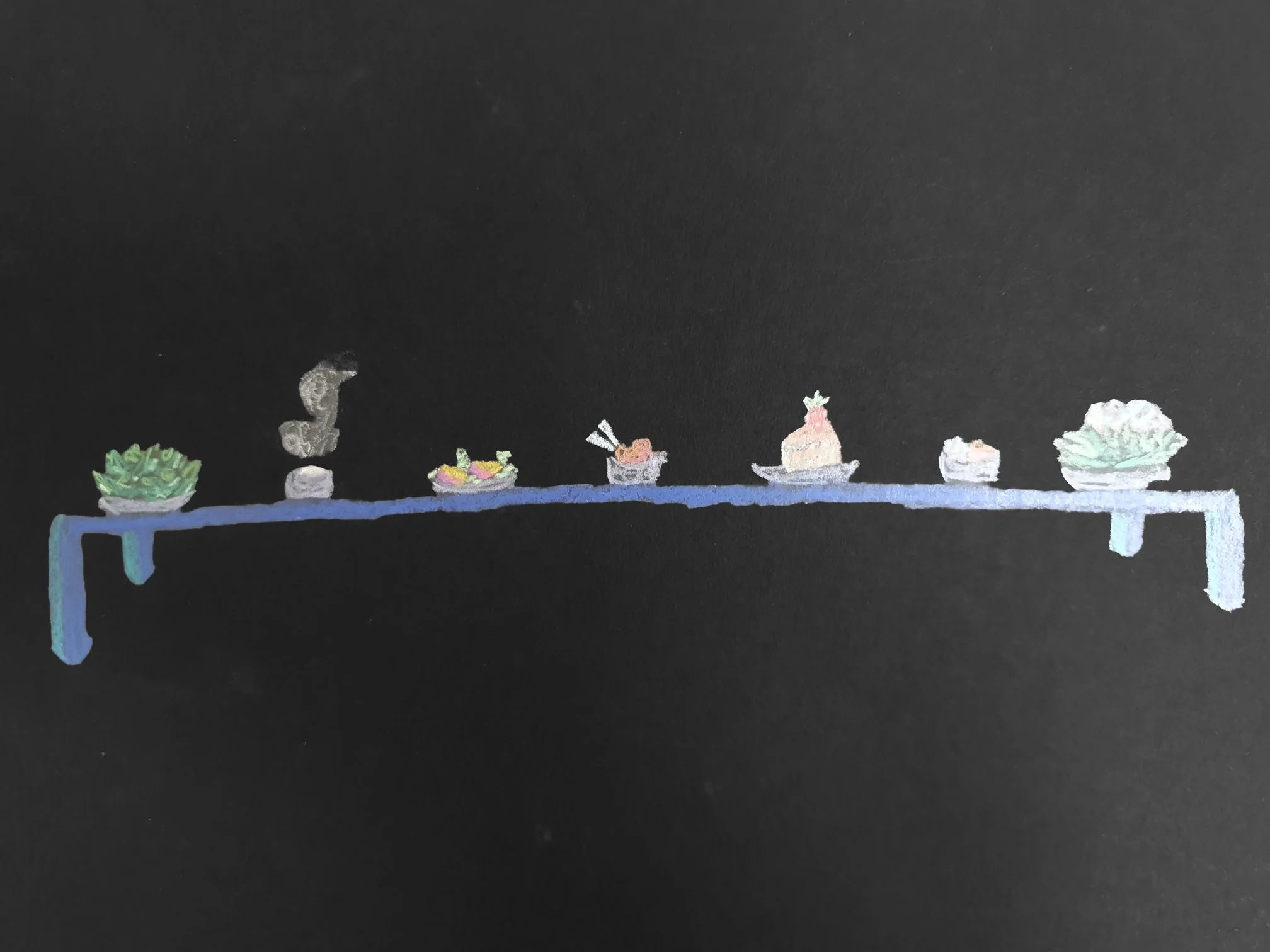
Ourselves
Participants drew on themselves and their own mind-bodies as inspiration for disability futures. They drew on their own personal narratives and stories, as well as reflections, both the physical and the internal, as sources of creativity and power, bringing these to life in the form of art.
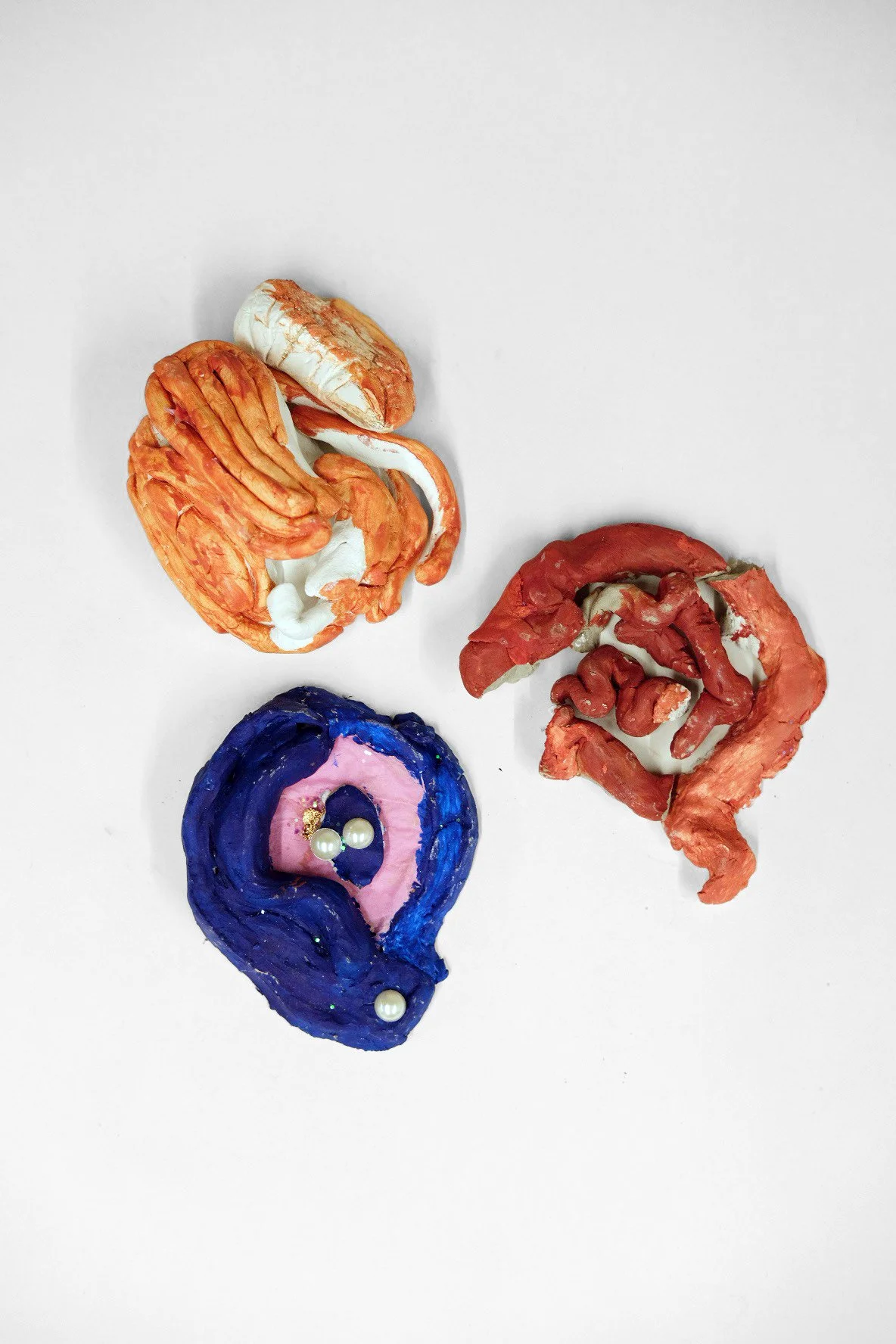
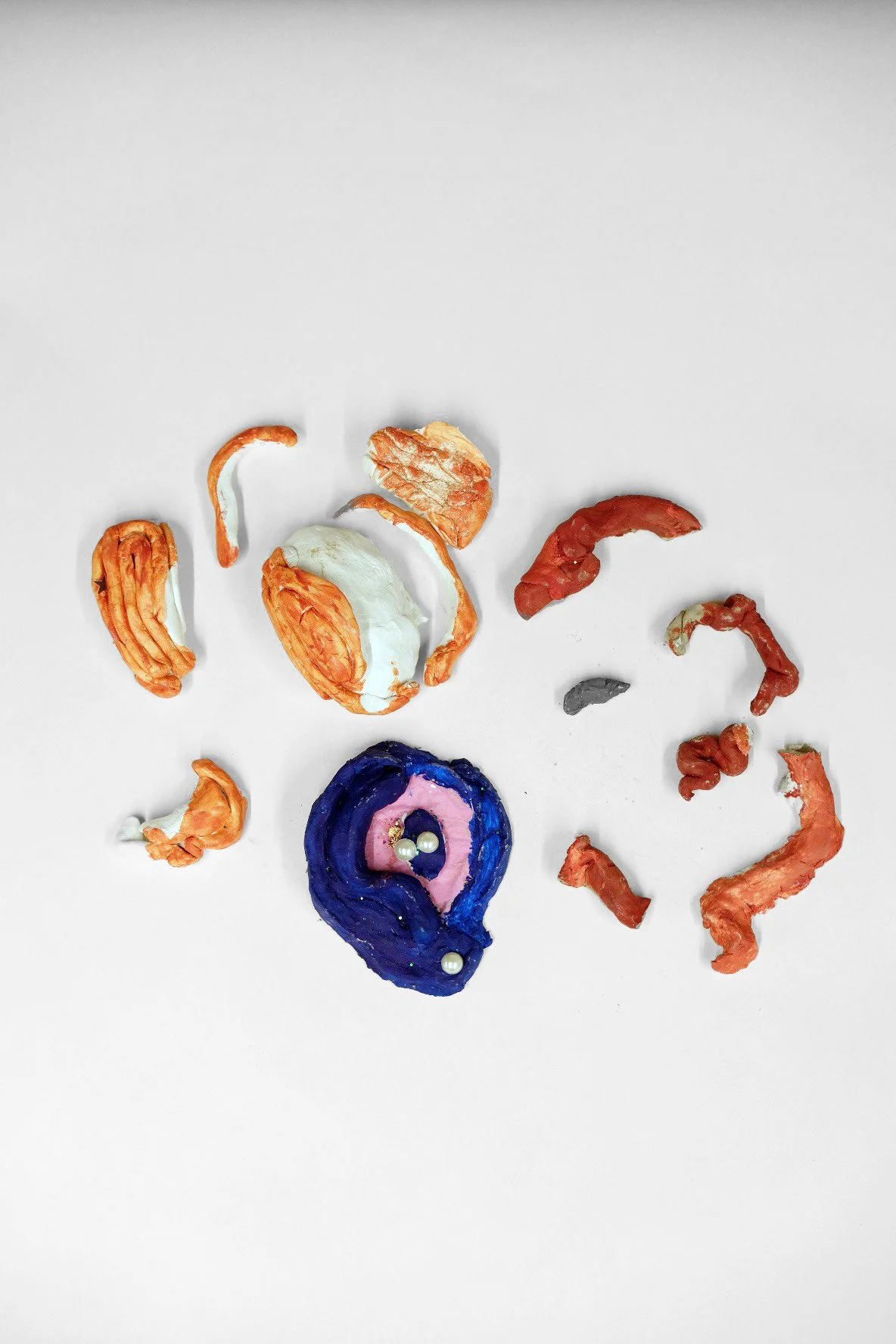
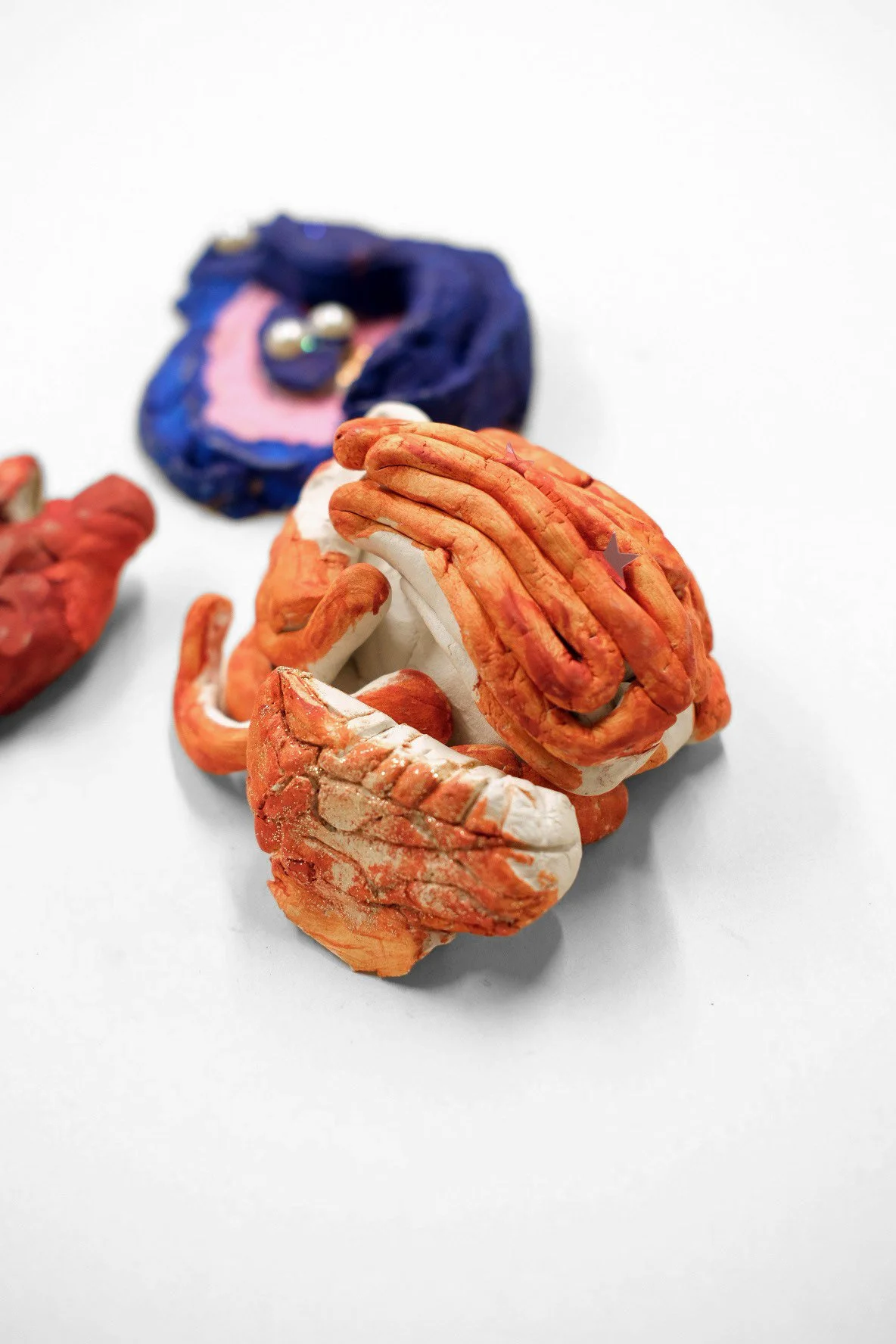
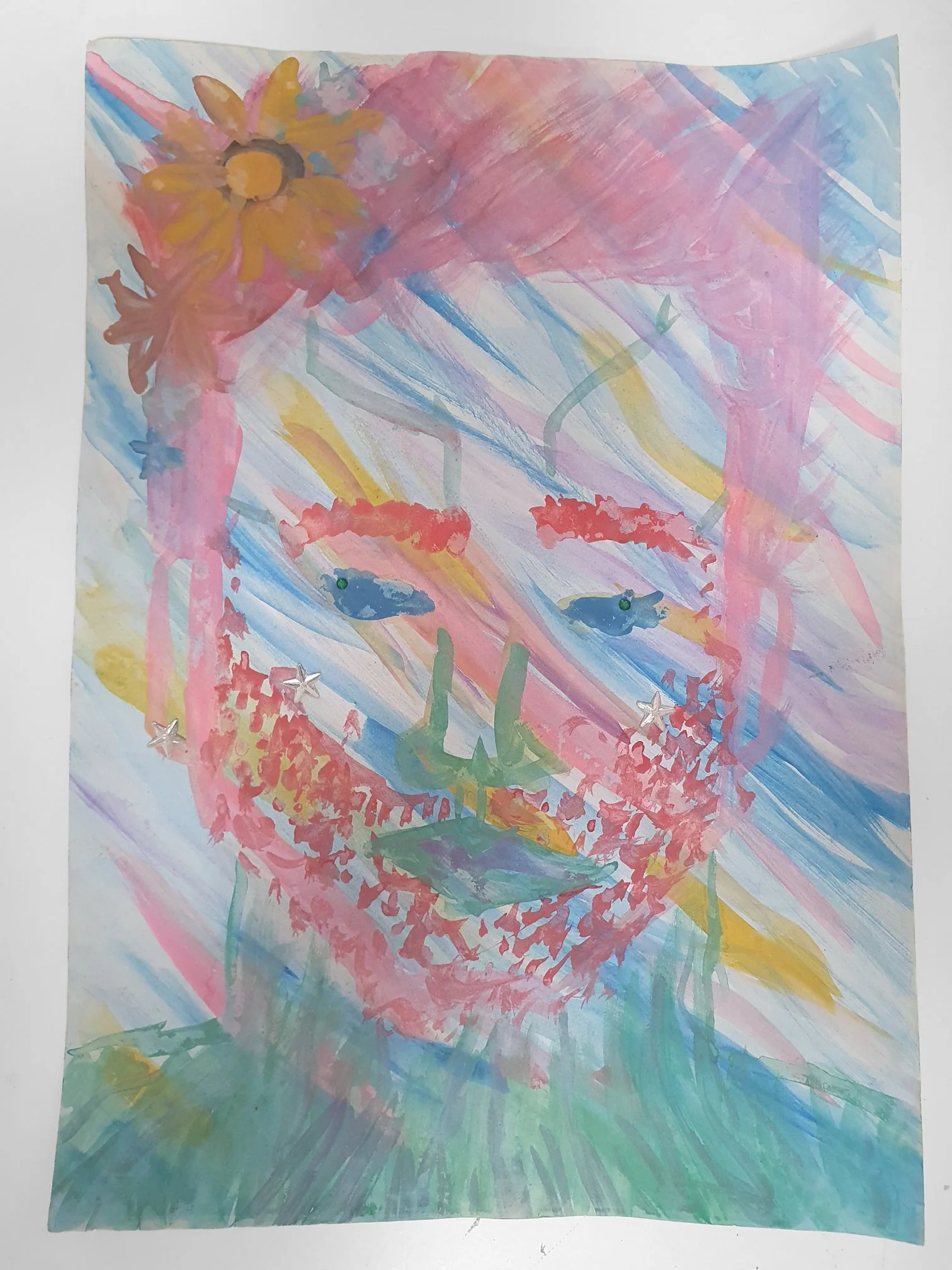
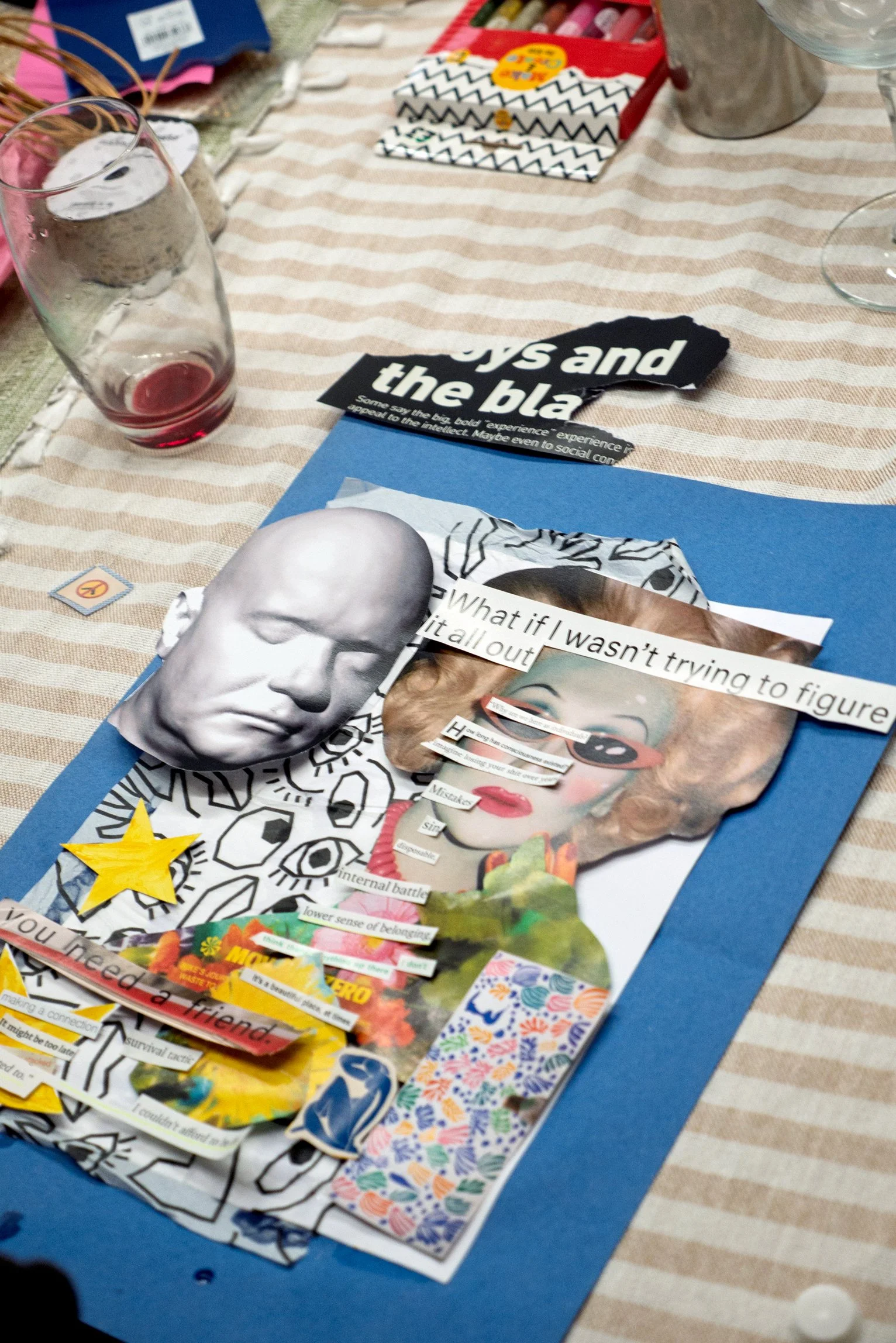
We went and recorded a bunch of audio outside, so for the talking I described it as hearing people underwater, so they both took a glass of water and started talking into it, and then I edited all the audios. I made everything haunted, 10 times quieter than the actual audio. And I made the muffled sound10 times louder to overpower everything, and then just sort of put everything together and tried to show how everything's really muffled. Really how it sort of sounds like everything's plunged like, sort of like your heads plunged in water -- and that's all you can hear all the time. And then at the end trying to add how it's still, like a sensory overwhelm, with the tinnitus as well. And we also thought of how I've personally experienced where people would yell at me, like, “oh, can you hear me?” Like, really in a mean way, sort of thing. So, we thought we should add that at the end, like, oh this person is struggling to hear and its sort of abrupt, just like yelling into their ears, and then they're already panicked and overwhelmed.
Our worlds
The art that was created centred the worlds that participants sought to grow. The building of tomorrows crafted on their own terms, drawing from their own living experiences and expertise. These are not simply distant futures, but actions of mutual aid and care that are implemented in everyday life, when we show up for each other, as practice.
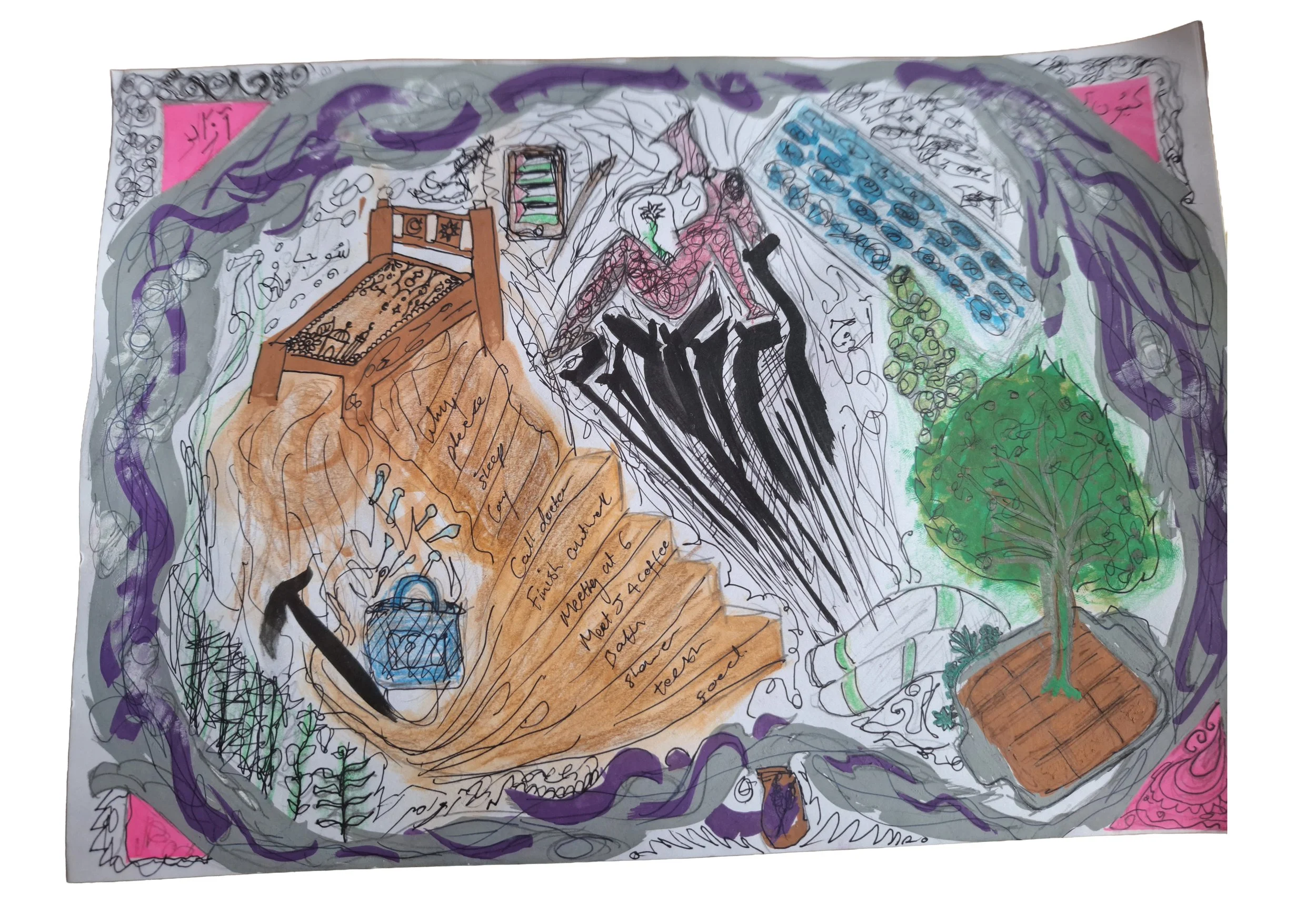
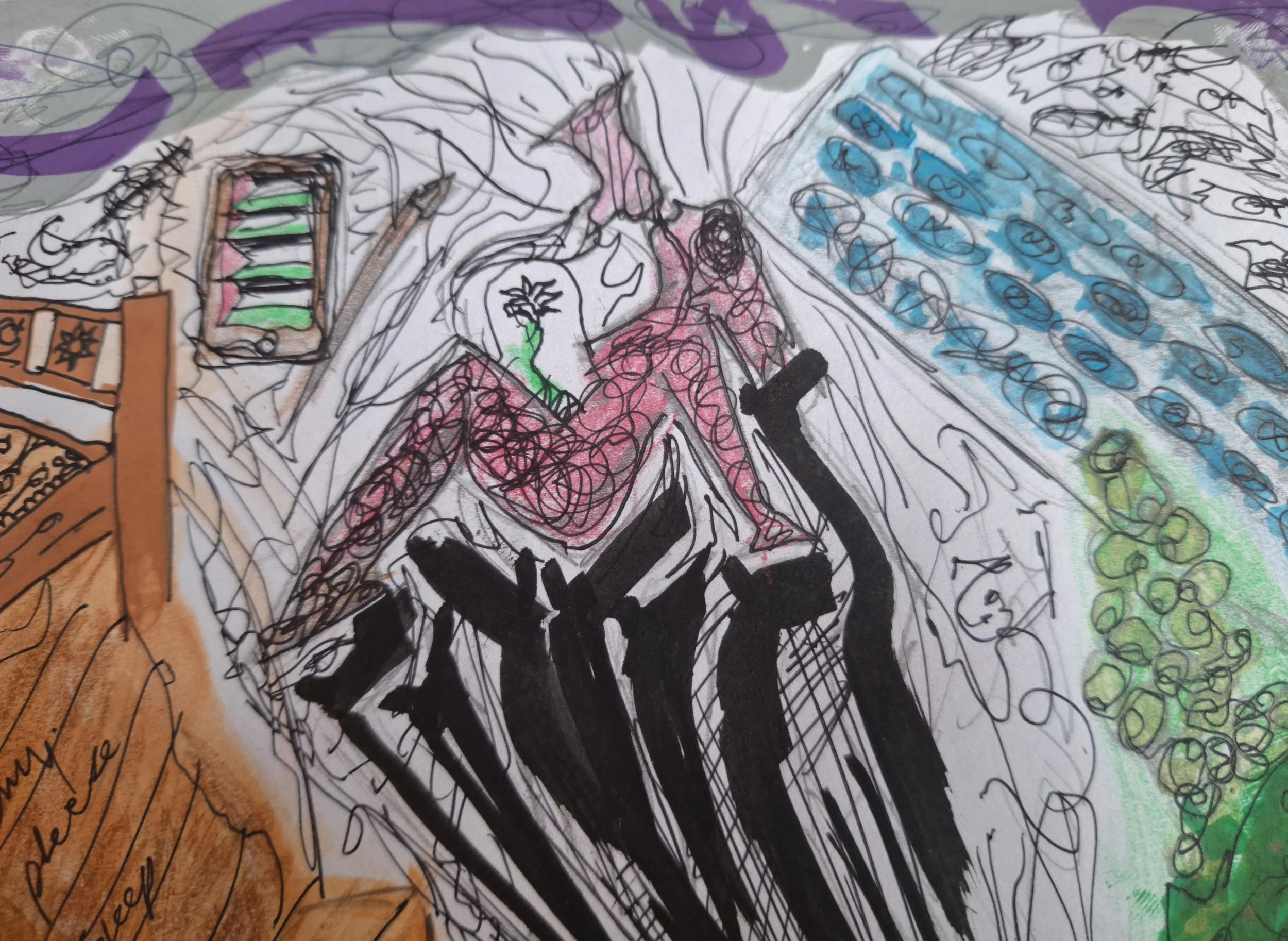
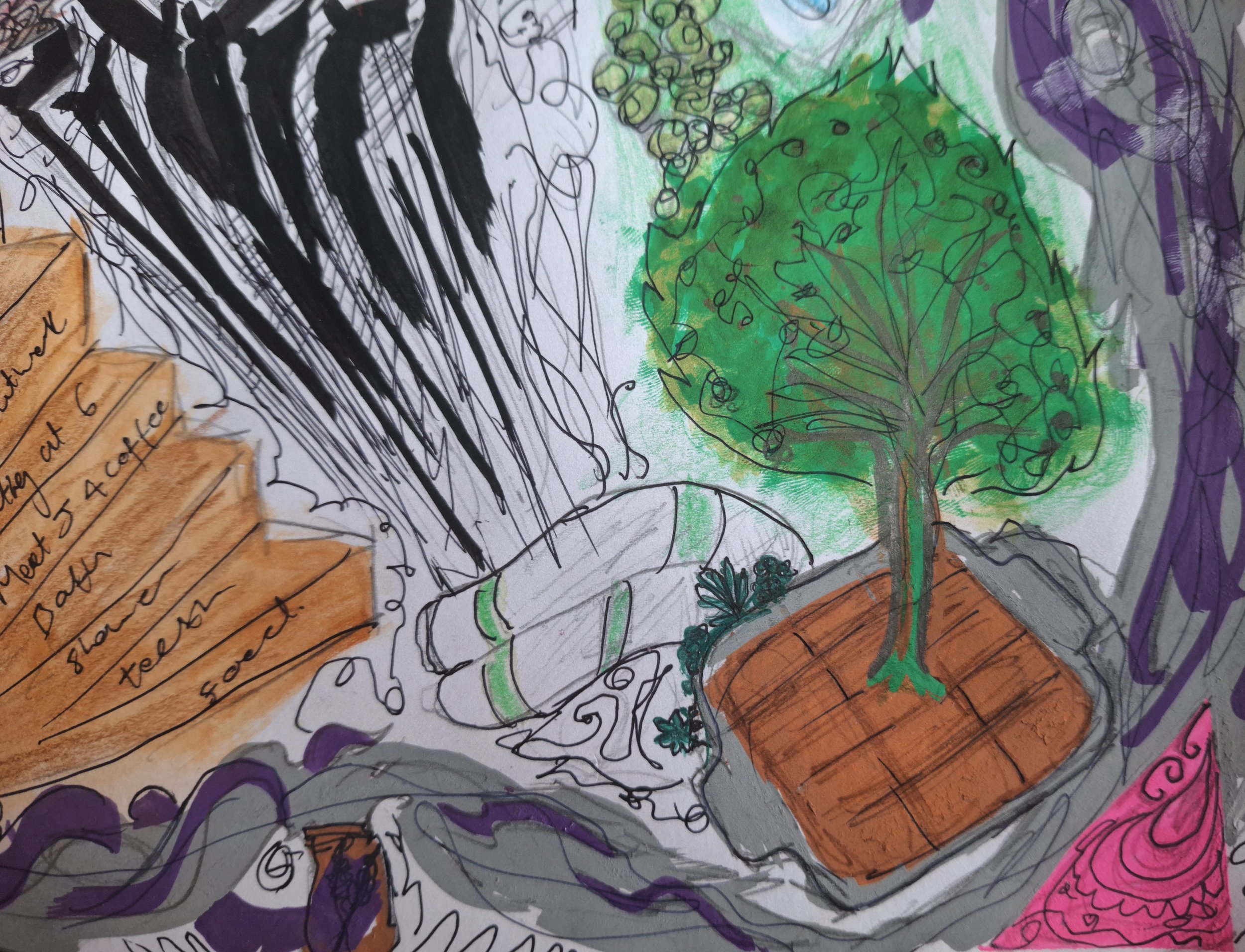
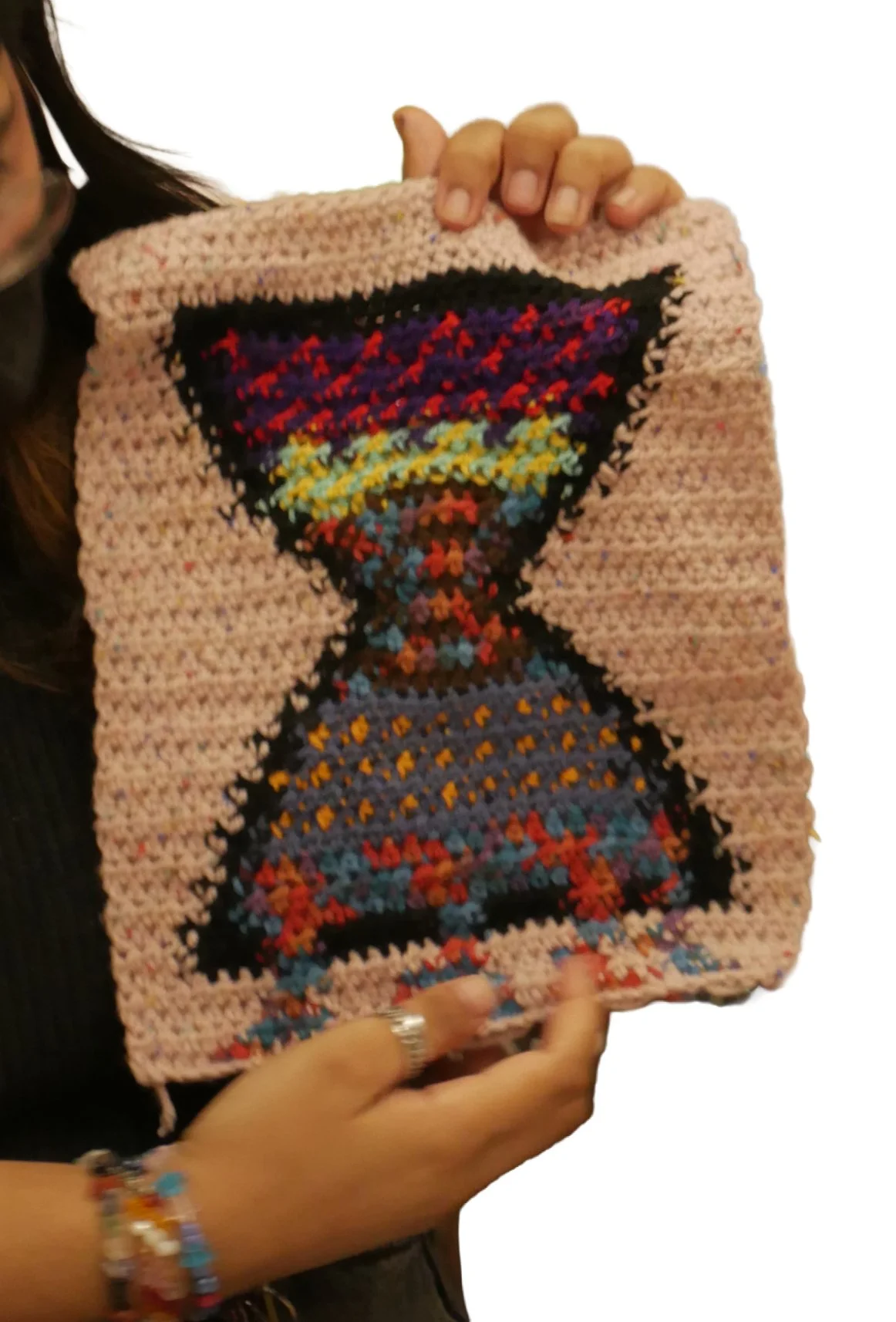
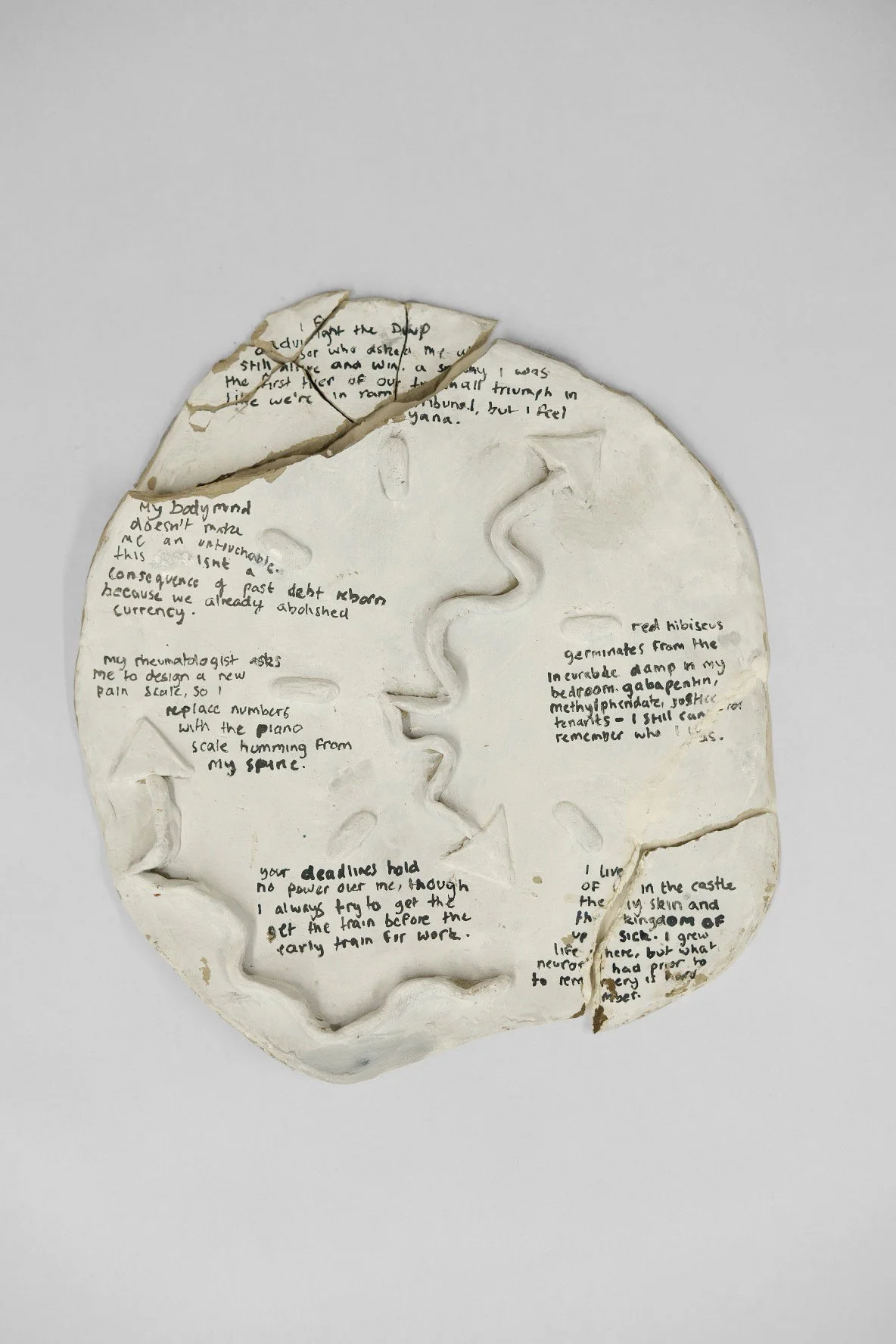
This exhibition acts as an invitation and a call to join in building joyous futures grounded in disability justice.
We hope that through following our participants’ journey, hearing their stories, and exploring their art, you feel galvanised and ready for change.
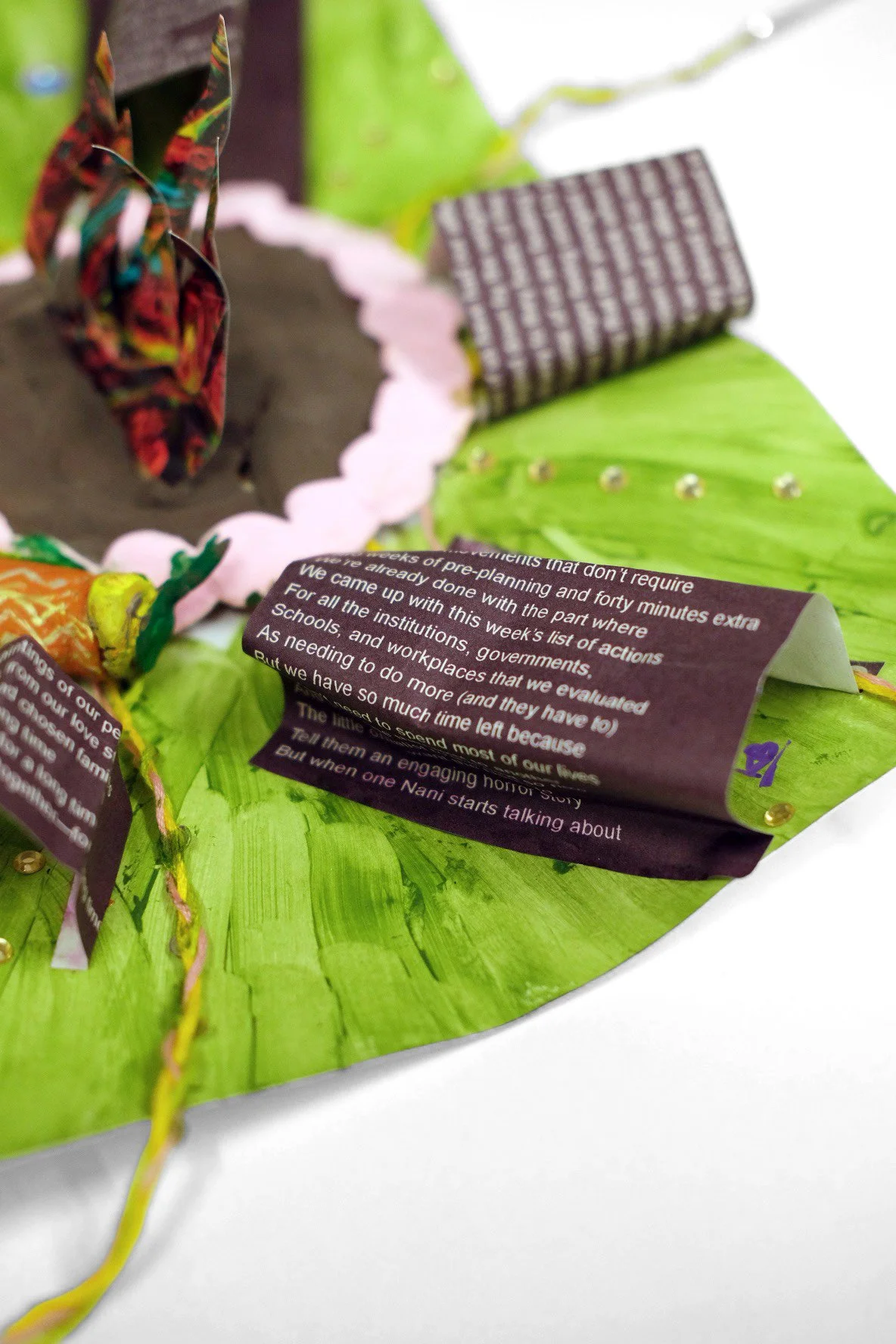
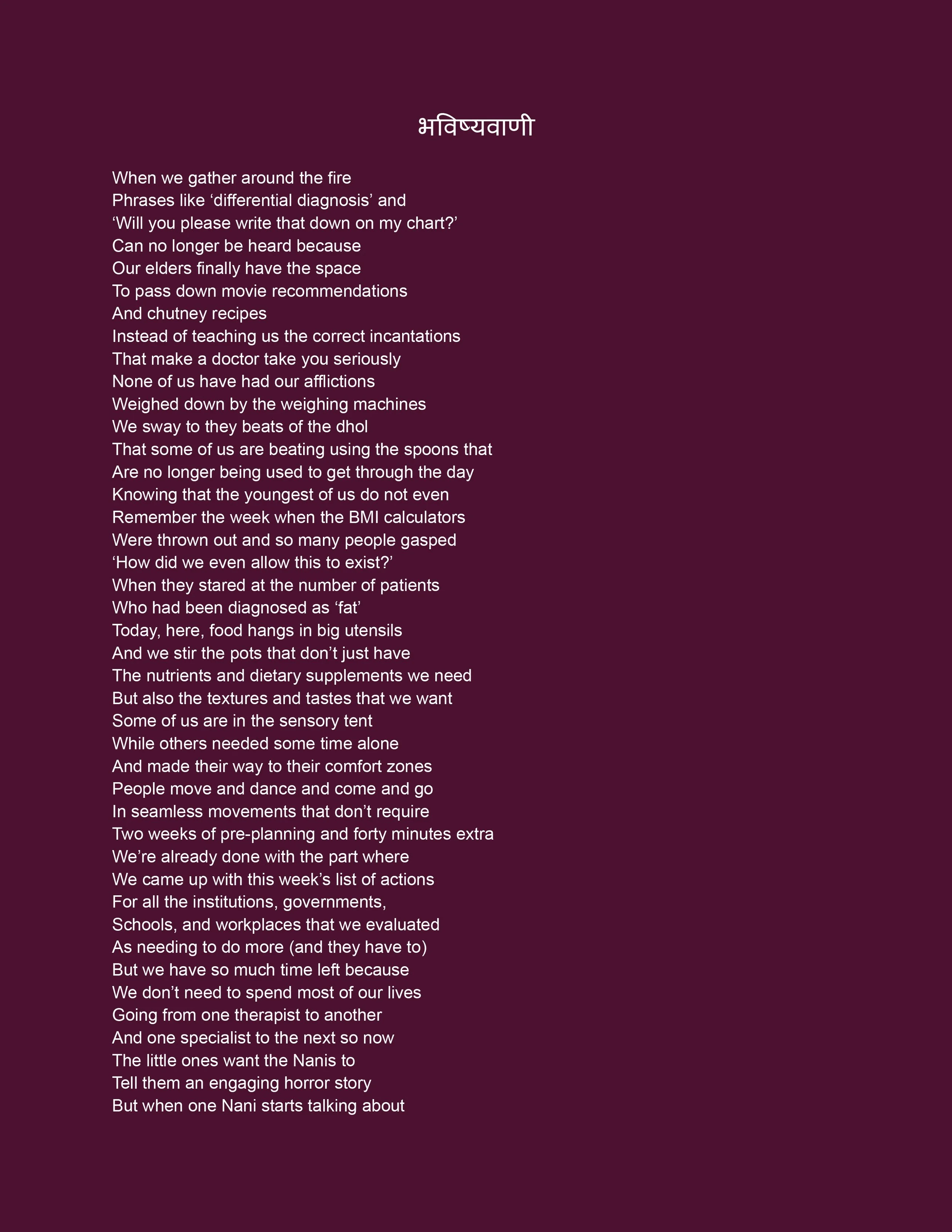
We leave you with Shashi reading their poem Bhava Shivani [prophecy], which conjures their imagined future.
Acknowledgement
This exhibition was created by Kylo Thomas, Ingrid Young, Donna McCormack, Richard Kahwagi and Lynne Zakhour. It is based on workshops co-designed by DDF project members Ingrid Young, Kylo Thomas and Donna McCormack. They were facilitated by Kylo Thomas and peer facilitators Phil Samba and Ee Rush.
Photos by Bilan Suliman.
We would like to thank all the workshop participants for their time, for sharing their stories and experiences with us, and for letting us show their artwork to others. All names in this exhibition are pseudonyms.